DOMINICAN
REPUBLIC
Beyond the all-inclusive resorts lies one of the Caribbean's most diverse destinations — colonial history, mountain ranges, whale-filled bays, surfing beaches, waterfalls, vibrant music, and a culture that feels deeply and unmistakably alive.
FAR MORE THAN JUST RESORTS
Most travelers know the Dominican Republic through Punta Cana and its all-inclusive beach resorts. But the country offers far more depth than many visitors realize.
Sharing the island of Hispaniola with Haiti, the Dominican Republic combines Caribbean beaches with mountain landscapes, colonial cities, tropical forests, offshore islands, surf towns, and a rich musical and cultural identity shaped by Spanish, African, and Taíno roots.
Santo Domingo, the capital, contains the oldest continuously inhabited European settlement in the Americas and one of the Caribbean's great colonial districts. Beyond the cities, travelers can explore the whale-watching waters of Samaná, the surf beaches of Cabarete, the mountain valleys of Jarabacoa, and remote national parks that remain largely unknown to international tourism.
The Dominican Republic also offers some of the Caribbean's strongest value for travelers — with a wide range of accommodations, domestic flights, eco-lodges, beach hotels, and adventure experiences across multiple budgets.
Best for travelers seeking Caribbean beaches combined with culture, music, mountain adventure, surfing, whale watching, and a more varied experience than the typical resort vacation.
The Dominican Republic occupies the eastern two-thirds of Hispaniola, the second-largest island in the Caribbean. The country naturally divides into several major travel zones: Santo Domingo and the south coast, Punta Cana and the eastern resort corridor, the Samaná Peninsula, the north coast around Puerto Plata and Cabarete, and the mountainous central interior. The island's geography is surprisingly varied — with beaches, rainforests, cloud forests, waterfalls, mangroves, dry forests, and the Caribbean's highest mountain range all within a relatively compact area.
Geography
WHERE EVERYTHING IS
The Dominican Republic is surprisingly diverse in geography for its size — beaches in the east and north, mountains in the center, a whale nursery in the northeast, and a desert lake system in the southwest. Most major destinations are reachable by road or short domestic flight from Santo Domingo or Punta Cana. Click any marker for details.
Tap or click markers for details. Pinch / scroll to zoom.
WHAT MAKES THE DOMINICAN REPUBLIC STAND APART
Caribbean Variety
Unlike some Caribbean destinations centered almost entirely around resorts, the Dominican Republic offers significant geographic and cultural diversity — beaches, mountains, surfing, colonial history, eco-tourism, nightlife, and adventure travel.
Santo Domingo
The Zona Colonial is a UNESCO World Heritage Site and one of the most historically important urban areas in the Americas. Colonial plazas, churches, cafés, museums, and nightlife combine with a modern Caribbean capital city beyond the historic core.
Beaches & Coastlines
Punta Cana may be the country's most famous beach area, but the Dominican Republic offers far more variety — from the dramatic hills of Samaná to the surf coast around Cabarete and quieter Caribbean beaches along the south coast.
Music & Culture
Merengue and bachata were born here. Music, dancing, baseball, and street life remain deeply woven into Dominican identity, giving the country an energy and warmth that many travelers remember long after the trip ends.
Whale Watching
Each winter, thousands of humpback whales migrate to the waters off the Samaná Peninsula — one of the world's great whale-watching experiences and one of the Caribbean's most remarkable wildlife spectacles.
Mountains & Adventure
The Dominican Republic contains the Caribbean's highest peak, Pico Duarte, along with rafting rivers, waterfalls, canyoning, mountain biking, and cool highland towns that feel worlds away from the coast.
TOP EXPERIENCES
Plan around experiences, not just regions.
Santo Domingo & Zona Colonial
Explore the oldest colonial district in the Americas — cobblestone streets, cathedrals, plazas, museums, restaurants, rooftop bars, and live music. The Zona Colonial is especially atmospheric in the evenings when locals and visitors fill the streets and cafés.
Punta Cana & Bávaro
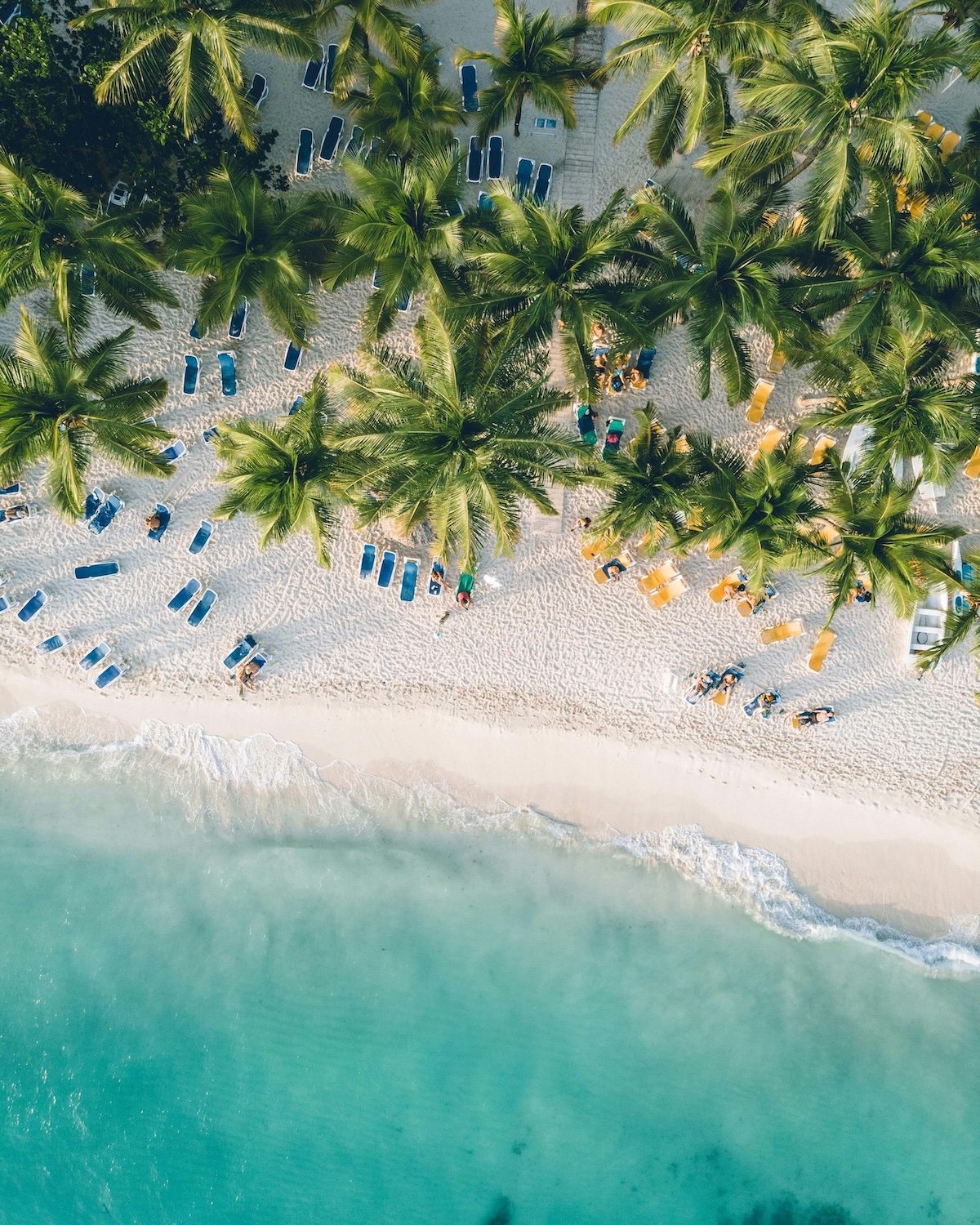
The Dominican Republic's most famous beach region offers long stretches of white sand, calm turquoise water, golf courses, resorts, catamaran excursions, and easy international access. Best for travelers seeking a classic Caribbean beach vacation.
Samaná Peninsula
One of the country's most scenic regions — lush hills, waterfalls, whale watching, secluded beaches, and a more relaxed atmosphere than the larger resort zones. Las Terrenas combines beaches with an increasingly sophisticated restaurant and boutique hotel scene.
Whale Watching in Samaná Bay
From January through March, humpback whales gather in the waters around Samaná to breed and calve. Boat excursions offer one of the Caribbean's most remarkable wildlife spectacles — an experience that many travelers rate as the highlight of the entire trip.
Cabarete
One of the Caribbean's premier destinations for kitesurfing, windsurfing, and surfing. Cabarete combines beach life, nightlife, water sports, and a more independent-travel atmosphere than Punta Cana.
Jarabacoa & the Central Highlands
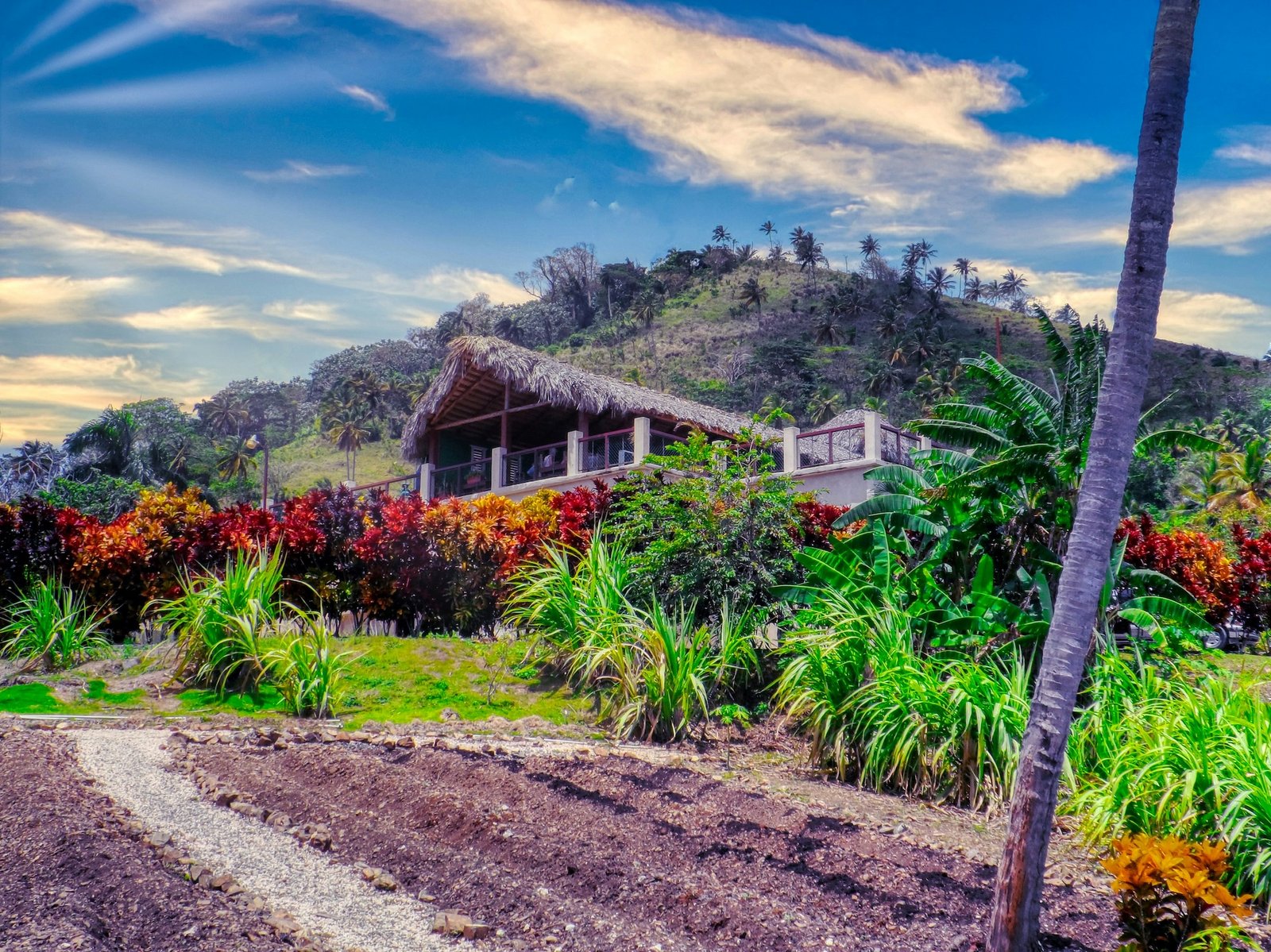
Often called the "Dominican Alps," Jarabacoa offers cool mountain air, rafting, waterfalls, horseback riding, hiking, and eco-lodges surrounded by pine-covered mountains — a completely different face of the country.
Pico Duarte
At over 10,000 feet, Pico Duarte is the highest mountain in the Caribbean. Multi-day guided treks attract serious hikers seeking a very different Caribbean experience.
Saona Island
Part of Cotubanamá National Park, Saona Island is known for turquoise water, palm-lined beaches, shallow natural pools, and boat excursions from Bayahibe and Punta Cana.
Los Haitises National Park
Mangroves, caves, limestone formations, and rich birdlife make Los Haitises one of the Dominican Republic's most important ecological areas. Best explored by boat from Samaná.
Damajagua Waterfalls
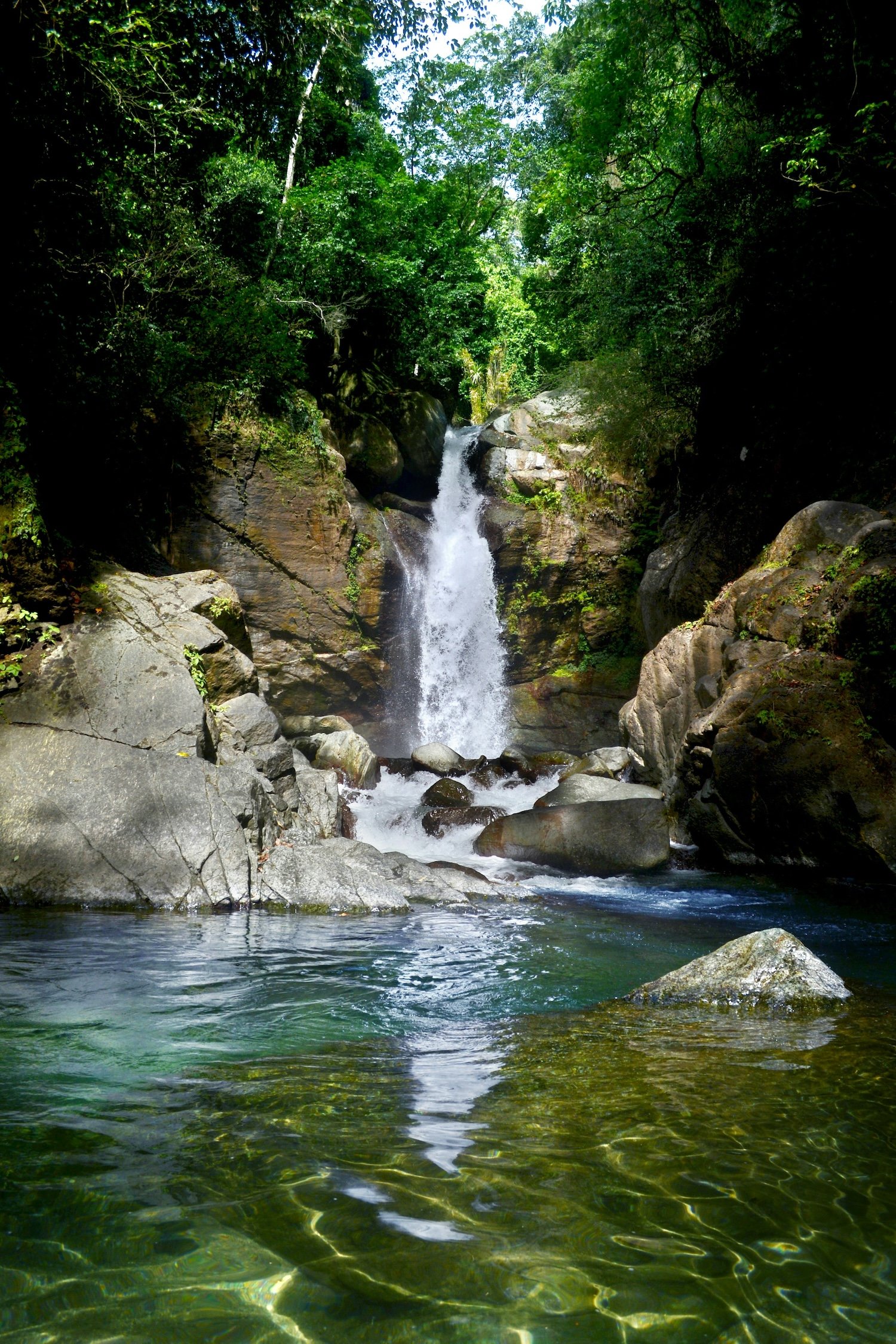
Near Puerto Plata, the "27 Waterfalls" offer canyoning, swimming, and natural slides through jungle scenery — one of the north coast's signature adventure experiences.
WHEN TO VISIT THE DOMINICAN REPUBLIC
The Dominican Republic's tropical climate is warm year-round, but weather patterns, wildlife cycles, and crowd levels vary considerably by season.
Best Overall
December through April offers the driest weather, lower humidity, and the most comfortable beach conditions. This is peak tourist season, especially around holidays and spring break.
Summer
May through August brings warmer temperatures, excellent beach weather, and somewhat lower prices outside major vacation periods.
Hurricane Season
June through November is hurricane season, with the greatest risk generally from August through October. Travelers should monitor forecasts and consider flexible booking options during this period.
Whale Watching Season
January through March is the prime period for humpback whale watching in Samaná Bay — one of the world's great seasonal wildlife spectacles.
Surf & Wind Sports
Cabarete's wind and surf conditions are generally strongest from June through August, though surfing and kitesurfing operate year-round.
TRAVEL ESSENTIALS
Airport Codes
SDQ — Santo Domingo / Las Américas International Airport. PUJ — Punta Cana International Airport. STI — Santiago. POP — Puerto Plata. AZS — Samaná / El Catey. LRM — La Romana.
Entry Requirements
Valid U.S. passport required. Many travelers must also complete an electronic entry and exit form before arrival and departure. Confirm current requirements before travel.
Tourist Card & Fees
Tourist entry fees are often included in airline tickets, though policies can change. Travelers should verify current procedures before departure.
Currency
Dominican Peso (DOP). U.S. dollars are widely accepted in major tourism areas, though local currency is useful outside resort zones.
Language
Spanish is the official language. English is common in resort areas and tourism businesses but less widespread outside major tourist zones.
Tipping
10–15% is customary in restaurants if not already included. Resort staff, drivers, guides, and hotel workers are commonly tipped.
Food & Drink
Dominican cuisine centers around rice, beans, plantains, seafood, roasted meats, and tropical fruits. Signature dishes include mangú, sancocho, mofongo, pescado frito, and tostones. Dominican rum and cigars are internationally recognized.
Getting Around
Rental cars are useful for exploring beyond resorts, though driving can be aggressive in cities. Private drivers and organized transfers are common for tourism routes. Domestic flights are available between some regions.
Safety
Tourist areas generally function smoothly. Visitors should use normal precautions regarding valuables, nightlife, and isolated areas. Pay attention to ocean conditions, especially on Atlantic-facing beaches with strong currents.
Safety Advisory
The U.S. Department of State rates the Dominican Republic at Level 2: Exercise Increased Caution — the same advisory level applied to France, the United Kingdom, and Germany. Millions of Americans visit the Dominican Republic annually, the vast majority without incident. Crime in established resort areas, colonial zones, and major tourist destinations is generally not targeted at visitors. Petty theft and opportunistic crime are the most common concerns, as in any tourist destination. Travelers should avoid isolated areas at night, use reputable transportation, and exercise the same awareness they would in any unfamiliar city. Ocean safety deserves particular attention — Atlantic-facing beaches around Puerto Plata and Cabarete can have strong currents. Always verify the current advisory at travel.state.gov before travel.
KEY AREAS
The main travel regions — each offering a distinct side of the country.
Santo Domingo & the South Coast
The capital and cultural center of the country. Colonial history, nightlife, museums, restaurants, and Caribbean urban energy define this region.
Punta Cana & the East Coast
The country's largest tourism corridor — long beaches, resorts, golf, catamaran excursions, and easy package travel logistics.
Samaná Peninsula
One of the Dominican Republic's most naturally beautiful regions, combining beaches, whale watching, waterfalls, and eco-tourism in a lush and relatively unhurried setting.
North Coast
Puerto Plata, Sosúa, and Cabarete form the country's surf and water-sports corridor, with a more active and independent-travel atmosphere than the east coast resorts.
Central Highlands
Jarabacoa, Constanza, and Pico Duarte offer mountain scenery, rafting, hiking, pine forests, waterfalls, and cooler temperatures — a world apart from the beach zones.
Bayahibe & La Romana
A quieter southeastern coastal zone with access to Saona Island, excellent diving, upscale resorts, and some of the country's most protected Caribbean reef environments.
PARKS & WILDLIFE
Beaches, whales, and mountain wilderness — the Dominican Republic's natural areas span desert, cloud forest, reef, and open ocean.
Los Haitises National Park
Protected mangroves, caves, islands, and rainforest ecosystems explored primarily by boat. One of the Dominican Republic's most important areas for birdlife and marine ecology.
Cotubanamá National Park
Protects Saona Island and surrounding marine ecosystems — coral reefs, sea turtles, mangroves, and the shallow turquoise waters that make Saona one of the Caribbean's most photographed destinations.
Samaná Bay
One of the Caribbean's great whale habitats during winter migration season, when thousands of humpback whales gather to breed and calve in these protected Atlantic waters.
Pico Duarte National Park
High-elevation pine forest and mountain ecosystems surrounding the Caribbean's highest peak — dramatic, remote, and unlike anything else in the island chain.
José Armando Bermúdez National Park
A major protected mountain region with rivers, cloud forest, waterfalls, and trekking routes through some of the Dominican Republic's most rugged highland terrain.
Cabritos Island & Lake Enriquillo
A striking desert-like environment in the southwest, home to crocodiles, flamingos, iguanas, and the Caribbean's largest lake — much of it below sea level and unlike anything else in the region.
Traveler Questions
DOMINICAN REPUBLIC TRAVEL FAQ
Is the Dominican Republic more than just all-inclusive resorts?
Absolutely. While Punta Cana’s resort corridor is the best-known destination, Santo Domingo’s Zona Colonial is the oldest European city in the Americas and a UNESCO World Heritage Site. The Samaná Peninsula offers whale-watching and jungle waterfalls. Jarabacoa is a highland adventure hub with genuine outdoor credentials.
What is the best time to visit?
December through April is the prime tourist season — dry, warm, and reliably sunny. Hurricane season peaks in August and September; storm risk should factor into planning. The shoulder months of May and November offer good value with manageable weather.
Is Spanish required in the Dominican Republic?
Spanish is the official language and is widely spoken. In major resort areas, English is common among tourism workers, but outside the tourist belt you will encounter limited English. Even basic Spanish phrases will significantly improve your experience.
Do U.S. citizens need a visa?
No. U.S. citizens can enter the Dominican Republic visa-free for tourist stays. A valid passport is required. A tourist card fee is typically included in your airline ticket. Stays are typically authorized for up to 30 days, with extensions available in-country.
LOCAL SPECIALISTS WE TRUST
The Dominican Republic rewards travelers who go beyond the all-inclusive resorts. These operators offer cultural depth, adventure, and access to the parts of the country most visitors never see.
Adventure & Active Travel
Rancho Baiguate
Jarabacoa-based adventure lodge and tour operator offering white-water rafting, horseback riding, canyoning, and Pico Duarte treks in the central highlands — the DR’s adventure heartland.
Best for: Travelers who want to base themselves in the mountains and experience the Dominican Republic’s interior.
Cultural & Colonial Zone
Colonial Tour and Travel
DMC and receptive tour operator headquartered in the Colonial Zone of Santo Domingo since 1994, with branch offices in Punta Cana, La Romana, Samaná, Puerto Plata, and Boca Chica — covering excursions, transfers, cultural tours, and the full breadth of the DR.
Best for: Colonial Zone tours and full-service Dominican Republic excursions from any resort hub.
Whale Watching & Samaná
Whale Samaná
Founded by Kim Beddall in 1983, the original and most respected humpback whale watching operation in Samaná Bay — #1 on TripAdvisor for DR whale tours. Season runs January 15–March 31.
Best for: Humpback whale watching in Samaná Bay, January–March
Latin Travel does not book tours directly. These are editorial selections. Please mention Latin Travel when you contact them — it helps us keep this guide current.
Ready to plan your Dominican Republic trip? From a long weekend in the Zona Colonial to a week combining Samaná whale watching, mountain hiking, and Caribbean beaches — we can help you build an itinerary beyond the resort corridor.
Ask Jim and Jane About the Dominican Republic