Overview
REEF, JUNGLE & MAYA — ALL IN ONE
Small, diverse, and easy to navigate, Belize offers one of the most distinctive travel combinations in the Americas.
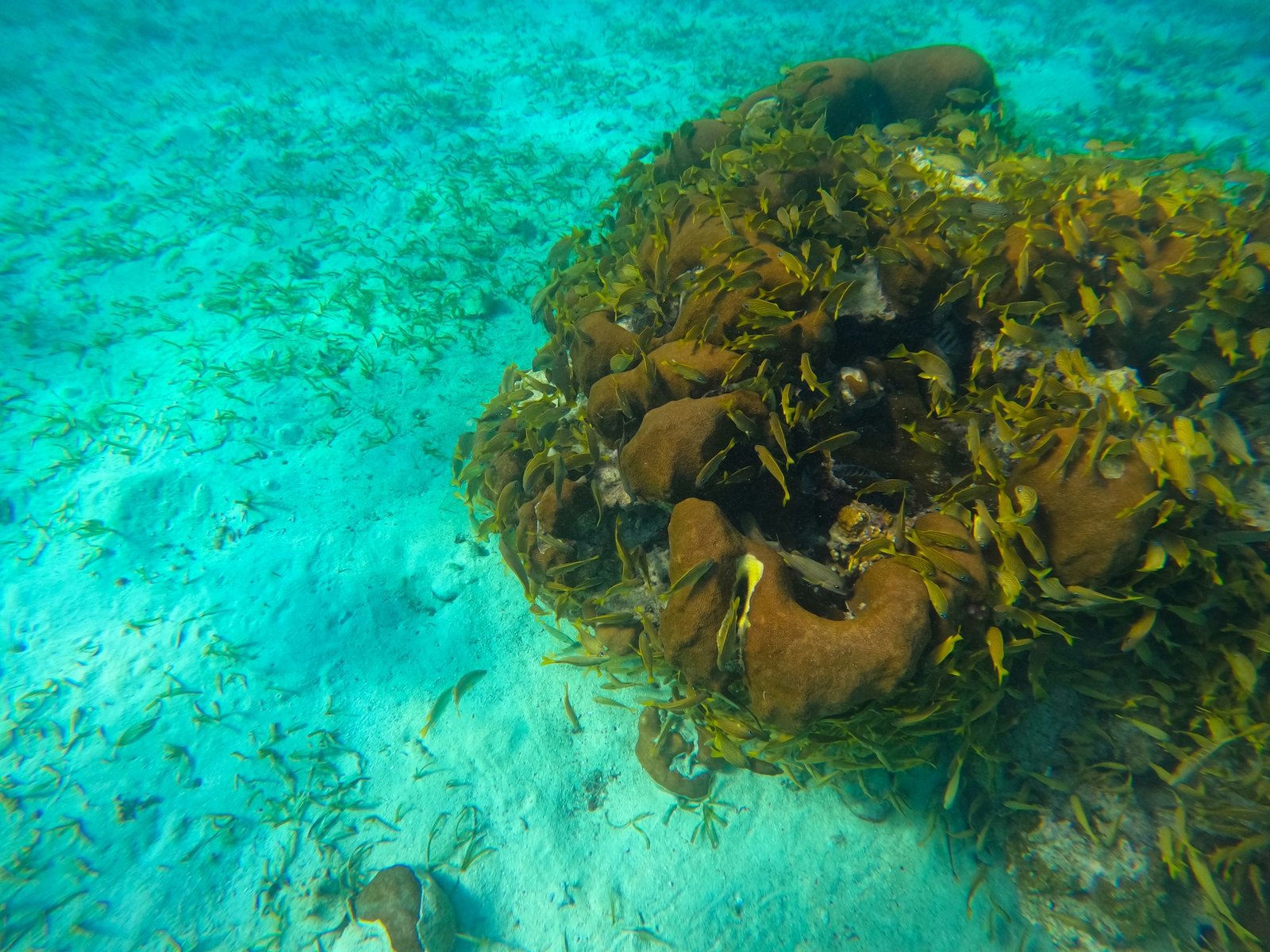
The Belize Barrier Reef — the second-largest reef system in the world, stretching roughly 190 miles along the coast — is the centerpiece of the country’s appeal. It includes some of the finest diving and snorkeling in the Caribbean, culminating in the legendary Great Blue Hole, made famous by Jacques Cousteau.
Inland, the country shifts dramatically to rainforest, rivers, and Maya ruins. Ancient cities such as Xunantunich, Caracol, and Altun Ha rise from the jungle, alongside eco-lodges, wildlife sanctuaries, and extraordinary cave systems. Belize is increasingly positioned as a premium eco-adventure destination, with boutique lodges and quality dining concentrated around Placencia and San Ignacio. For U.S. travelers, it remains one of the most accessible Central American destinations — no language barrier, U.S. dollars widely accepted, and a short flight from most major cities.
Best for travelers who want world-class diving and snorkeling, ancient Maya ruins, jungle wildlife, and Caribbean beach time — all within a single, compact country they can easily navigate in English.
Geography
WHERE EVERYTHING IS
Belize divides naturally into three zones: the northern coast and cayes (the reef, Ambergris Caye, diving), the inland west (Cayo District, San Ignacio, Maya ruins, jungle), and the south (Placencia beaches, Cockscomb jaguar preserve, Mountain Pine Ridge). Click any marker for details.
Tap or click markers for details. Pinch / scroll to zoom.
Why Go
WHAT MAKES BELIZE STAND APART
The Barrier Reef
The second-largest reef system on Earth, home to extraordinary marine biodiversity — from the iconic Great Blue Hole to the protected waters of Hol Chan Marine Reserve. World-class diving and snorkeling run the entire length of the coast.
Maya Heritage
Xunantunich, Caracol, and Altun Ha are among the finest Maya sites in the region. Caracol — deep in the jungle — was once a city that rivaled Tikal in size and power. These sites draw serious archaeology travelers as well as curious first-timers.
Caribbean Cayes
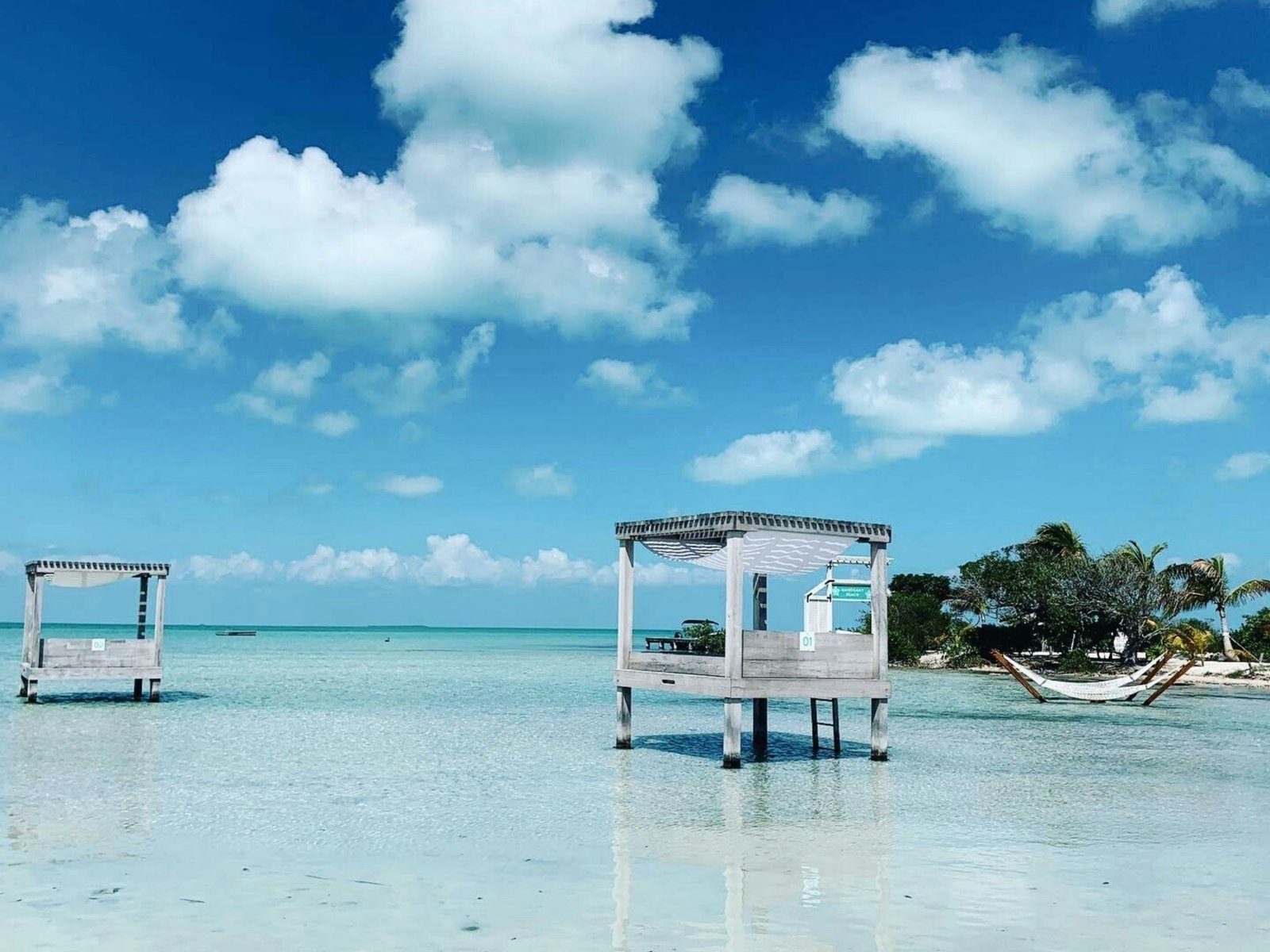
Ambergris Caye offers the widest range of hotels, restaurants, and dive operators. Caye Caulker, just to the south, runs at a slower pace — its unofficial motto is “Go Slow.” Both are within easy reach of the reef.
Jungle Adventure
Cave tubing, cave hiking (Actun Tunichil Muknal is one of the most extraordinary experiences in all of Central America), zip-lining, and wildlife watching in some of the least disturbed forest in the region.
Easy for U.S. Travelers
English is the official language, the U.S. dollar is widely accepted (Belize Dollar is pegged 2:1), flights are short from major U.S. hubs, and the infrastructure for tourism is well established.
Wildlife & Conservation
Belize punches above its weight in protected lands — the world’s first jaguar preserve, a howler monkey sanctuary, the Belize Zoo focused on native species, and nesting habitats for sea turtles, manatees, and crocodiles.
Top Experiences
PLAN AROUND EXPERIENCES, NOT JUST REGIONS
Great Blue Hole
The bucket-list dive of Belize — a massive underwater sinkhole roughly 300 meters across and 125 meters deep, filled with stalactites and reef sharks. Most dives are done as a full-day trip from Ambergris Caye or Caye Caulker. Advanced open-water certification recommended.
Hol Chan Marine Reserve
One of the best snorkeling and diving sites in the Caribbean, located just south of San Pedro on Ambergris Caye. Shark Ray Alley — where nurse sharks and southern stingrays congregate in shallow water — is a highlight that even non-divers can experience.
Xunantunich
An impressive Maya pyramid accessed by hand-cranked ferry across the Mopan River, just outside San Ignacio. El Castillo rises nearly 130 feet and offers sweeping views across the jungle into Guatemala. One of the most accessible and photogenic Maya sites in Belize.
Actun Tunichil Muknal
A guided cave adventure that combines swimming, wading, and hiking through an active cave system to reach ancient Maya ceremonial chambers, skeletal remains, and ceramic offerings — still in place exactly as they were left. One of the most extraordinary experiences in Central America.
Caye Caulker
The more relaxed of the two main cayes — no cars, no rush, hammocks over the water, and easy reef access. Excellent for budget-conscious travelers and those who want a quieter Caribbean base than San Pedro on Ambergris Caye.
Caracol
Belize’s largest Maya site, located deep in the jungle of the Vaca Plateau. At its peak, Caracol was home to over 100,000 people and rivaled Tikal. The remote drive (best done with a guide or tour) is part of the experience — passing through Mountain Pine Ridge and dense forest.
Tikal Day Trip
From San Ignacio, travelers are only about 90 minutes from Tikal, Guatemala — one of the great Maya cities in the world. A passport is required, and a reputable guide is strongly recommended. The combination of Tikal and Belize’s own sites makes the Cayo District one of the finest Maya travel bases in the region.
Cockscomb Basin & Placencia
Cockscomb Basin Wildlife Sanctuary — the world’s first jaguar preserve — offers excellent birdwatching, hiking, and the chance (slim but real) to spot jaguar tracks. Nearby Placencia is the south’s fastest-growing beach destination, with excellent seafood and a growing range of quality lodging.
Timing
WHEN TO VISIT BELIZE
Dry Season (Best Overall)
November through April is Belize’s dry season — clear skies, calm seas, and ideal conditions for diving, snorkeling, cave tours, and jungle hiking. December through March is peak season; book accommodations well in advance.
Shoulder Season
May and November offer good conditions at lower prices with fewer crowds. May can see occasional rain, but the reef is still excellent and most tours operate normally. A strong option for value-focused travelers.
Wet Season
June through October is the rainy season and overlaps with hurricane season (peaks August–October). Rain typically falls in concentrated afternoon showers rather than all-day downpours. Some dive operators run limited schedules; inland jungle activities continue.
Lobster Season
Lobster season runs from June 15 through February 14 — a genuine culinary reason to time your trip. The Lobster Festivals in San Pedro (June) and Placencia (July) are lively community celebrations worth attending if the dates align.
Travel Essentials
FACTS & PRACTICAL DETAILS
SAFETY ADVISORY
Belize carries a moderate U.S. travel advisory — exercise normal caution overall, with heightened awareness in certain areas. Parts of Belize City, particularly outside tourist zones, have higher crime rates; avoid walking alone at night and use licensed taxis or pre-arranged transport in the city.
Resort areas, the cayes (Ambergris Caye, Caye Caulker), Placencia, and San Ignacio are generally safe and regularly visited by international travelers without incident. Use guides for remote jungle or cave excursions, and keep valuables secure and out of sight.
Key Areas
A SIMPLE GEOGRAPHY OF BELIZE
The Northern Cayes & Reef
Ambergris Caye is Belize’s most developed island — the town of San Pedro has a full range of hotels, restaurants, dive shops, and nightlife. Caye Caulker, to the south, is smaller, quieter, and car-free. Both islands give direct access to Hol Chan Marine Reserve and are the primary launch points for Great Blue Hole dive trips. Water taxis connect from Belize City to both cayes in under two hours.
Belize City & the North
Belize City is the commercial hub and transport gateway — most travelers pass through rather than linger, though the Museum of Belize and waterfront areas are worth a brief visit. To the north, Altun Ha is a compact but historically significant Maya site about an hour from the city. Crooked Tree Wildlife Sanctuary and the Community Baboon Sanctuary (protecting black howler monkeys) are easy half-day excursions for birdwatchers and nature travelers.
Cayo District & San Ignacio
San Ignacio is the main hub for inland Belize — a lively town on the Macal River with good hotels, restaurants, and easy access to the region’s main attractions. Xunantunich and Caracol are the headline Maya sites; Actun Tunichil Muknal cave is one of the most extraordinary experiences in all of Central America. The Belize Zoo, focused entirely on native species, is between San Ignacio and Belize City. Day trips to Tikal in Guatemala are easily arranged from this region.
The South: Placencia & the Highlands
Placencia is Belize’s fastest-growing beach destination — a peninsula with a laid-back village atmosphere, excellent seafood, a developing restaurant scene, and a good base for whale shark encounters (seasonal) and snorkeling on the southern barrier reef. Inland, the Mountain Pine Ridge Forest Reserve offers waterfalls, granite outcroppings, and cave systems at a cooler elevation. Cockscomb Basin Wildlife Sanctuary — the world’s first jaguar preserve — is in the foothills of the Maya Mountains.
Parks & Wildlife
PROTECTED LANDS & NATURAL WONDERS
Belize protects nearly 40% of its land area and a substantial portion of its marine waters — an extraordinary commitment to conservation for a country of its size, and one that directly benefits travelers.
Belize Barrier Reef Reserve System
A UNESCO World Heritage Site and the second-largest reef system in the world. Seven marine protected areas — including Hol Chan Marine Reserve, Glover’s Reef Atoll, and the Blue Hole Natural Monument — form the core of the reserve. Home to manatees, sea turtles, whale sharks, and extraordinary coral diversity.
Cockscomb Basin Wildlife Sanctuary
The world’s first jaguar preserve, established in 1986 in the foothills of the Maya Mountains. Over 150 bird species have been recorded here, along with tapirs, peccaries, coatis, and ocelots. Hiking trails range from easy to full-day. Evidence of jaguar activity — tracks and scratch marks — is regularly encountered on night walks with guides.
Mountain Pine Ridge Forest Reserve
An elevated pine forest reserve in the Cayo District — strikingly different from the lowland jungle below. Hidden Valley Falls drops over 1,000 feet (one of the highest waterfalls in Central America). Rio Frio Cave, granite pools, and cooler temperatures make it a rewarding day trip or overnight from San Ignacio.
Crooked Tree Wildlife Sanctuary
A freshwater lagoon system designated as Belize’s first Ramsar wetland site. During the dry season (November–May), the receding waters concentrate huge numbers of waterfowl, including the jabiru stork — the largest flying bird in the Western Hemisphere. Outstanding birding for specialists and casual observers alike.
Community Baboon Sanctuary
A community-managed conservation initiative along the Belize River that protects black howler monkeys and their forest corridor. The howler monkeys here — known locally as “baboons” — are habituated to visitors and can be observed at close range. One of the more accessible wildlife experiences from Belize City.
Belize Zoo
Unlike conventional zoos, the Belize Zoo holds only native species — all animals that arrived as orphans, injured wildlife, or former captives. Tapirs, jaguars, ocelots, harpy eagles, and scarlet macaws are among the residents. A conservation-focused experience that provides genuine insight into Belize’s remarkable native fauna.
Traveler Questions
BELIZE TRAVEL FAQ
Is English widely spoken in Belize?
Yes — English is the official language of Belize, making it uniquely accessible among Central American destinations for North American and British travelers. Spanish is also widely spoken, particularly in the Cayo District near the Guatemalan border. You will also hear Kriol, Garifuna, and several Maya languages depending on the region.
What is the best time to visit Belize?
The dry season from late November through April is ideal for beach travel and diving on the Barrier Reef, jungle exploration in the Cayo District, and birding. The wet season from June through November brings lush green scenery and fewer crowds, but hurricane risk is real in August and September. The shoulder period of May is warm and increasingly busy.
Is Belize expensive to travel?
Belize is one of the more expensive destinations in Central America — partly because it uses the Belize dollar (pegged at 2:1 to the U.S. dollar) and because imported goods carry a premium. Budget travelers can manage by staying in guesthouses, eating local, and avoiding premium eco-lodges. However, many of Belize’s signature experiences — private island resorts, liveaboard dive trips, and remote jungle lodges — are definitively upmarket.
Do I need a visa to visit Belize?
U.S., Canadian, British, and most other Western passport holders do not need a visa for tourist visits to Belize of up to 30 days, extendable in-country. All visitors pay a tourism exit fee upon departure. Ensure your passport is valid for at least six months beyond your intended stay. Entry requirements can change, so confirm current requirements before travel.
LOCAL SPECIALISTS WE TRUST
Belize has a small but quality operator community. These specialists know the reef, the jungle, and the Maya sites in depth — and can build itineraries that go well beyond the standard package.
Reef, Sea & Kayak
Island Expeditions
Award-winning sea kayaking and adventure travel on the reef. Snorkeling, diving, and island-hopping expeditions with a strong conservation ethos.
Best for: Active travelers who want the reef, atolls, and kayaking in depth.
Belize Exotic Adventures
Belize City-based operator with strong coverage of reef, caves, ruins, and wildlife — day tours and custom multi-day packages across all regions.
Best for: Day-trip and multi-region travelers looking for reliable, experienced local guides.
Jungle, Ruins & Wildlife
The Lodge at Chaa Creek
Iconic eco-lodge and tour operator in the Cayo District. Jungle horseback riding, canoe trips, Maya ruins, butterfly farm, and naturalist-guided wildlife walks on their own 365-acre reserve.
Best for: Travelers wanting a lodge-based jungle experience with serious ecology programming.
Cayo Adventure Tours
Western Belize specialists with deep knowledge of ATM Cave, Caracol, Barton Creek, and Tikal day trips from San Ignacio. Cave tubing, ziplining, and cultural tours.
Best for: Adventure travelers based in the Cayo District wanting expert-guided cave and ruins experiences.
Custom & Luxury
Belize VIP Travel
Boutique custom travel planning for Belize with access to private lodges, charters, and exclusive experiences across the reef and interior. Known for high-touch service.
Best for: Luxury travelers wanting a fully customized Belize itinerary with premium lodge options.
Latin Travel does not book tours directly. These are editorial selections. Please mention Latin Travel when you contact them — it helps us keep this guide current.