Overview
SOUTH AMERICA'S BEST-KEPT SECRET
The moment one touches down at La Paz’s El Alto Airport, Bolivia becomes an unforgettable travel experience.
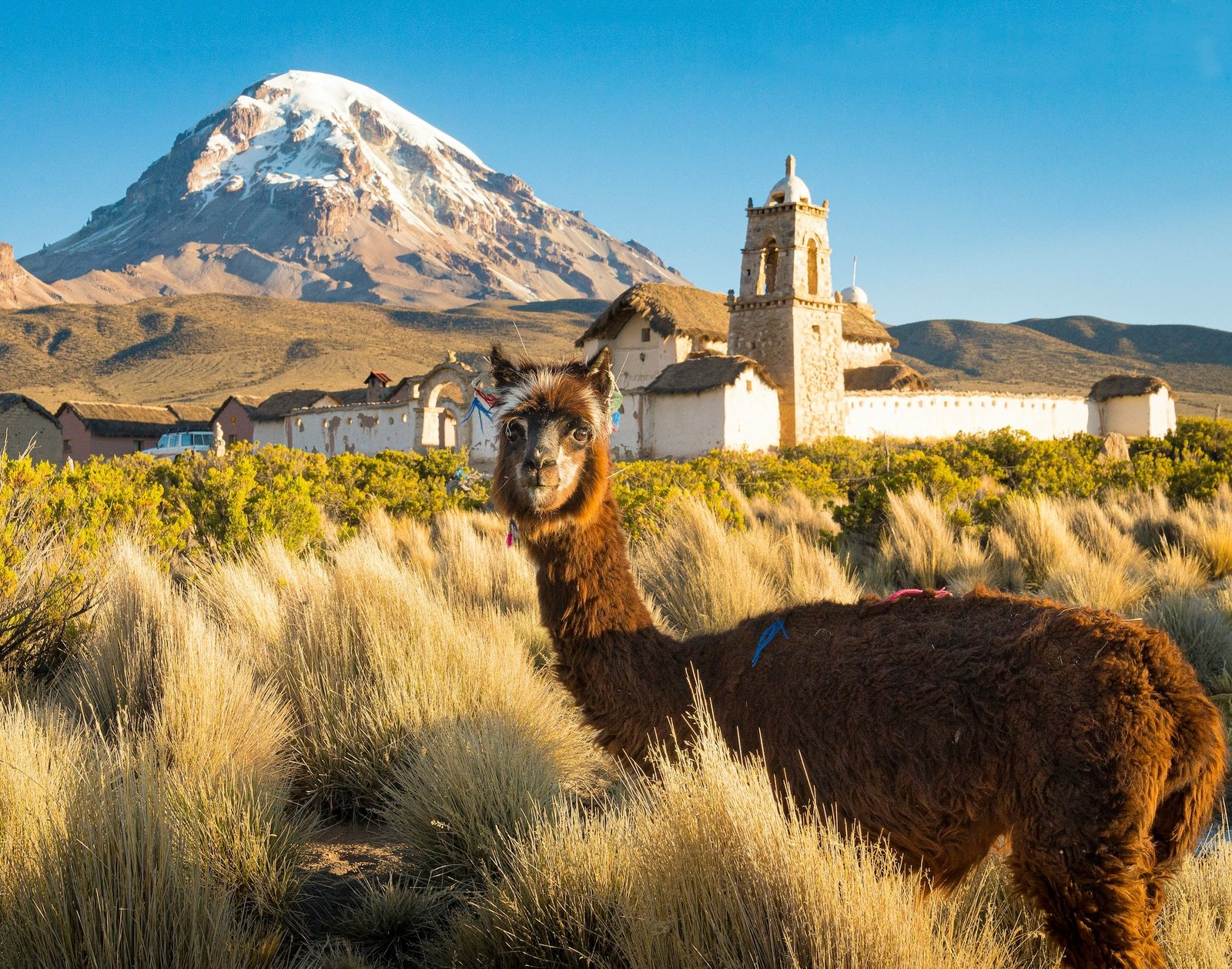
High on the Altiplano, travelers arrive in one of the world’s highest major airports, surrounded by snow-covered Andean peaks and a landscape unlike anywhere else in South America. Bolivia is a country of extremes: high mountains, vast salt flats, deep valleys, Amazon basin lowlands, ancient archaeological sites, colonial cities, and strong indigenous traditions.
Historic cities such as Sucre and Potosí reveal Bolivia’s colonial past — Potosí was once one of the largest and richest cities in the Americas, built around the silver mines of Cerro Rico. Bolivia remains one of South America’s most distinctive and culturally rich destinations, and remains outstanding value for food, lodging, and travel compared to many neighboring countries.
Best for travelers who want genuine off-the-beaten-path adventure, living Andean culture, spectacular high-altitude landscapes, and some of the most extraordinary natural phenomena in the world — at exceptional value.
Geography
WHERE EVERYTHING IS
Bolivia divides into three main zones: the high Altiplano in the west (La Paz, Lake Titicaca, Uyuni), the valleys and colonial cities of the central region (Sucre, Potosí, Cochabamba), and the tropical lowlands of the east and north (Santa Cruz, the Beni Amazon basin). Click any marker to see what’s there.
Tap or click markers for details. Pinch / scroll to zoom.
Why Go
WHAT MAKES BOLIVIA STAND APART
Salar de Uyuni
The world’s largest salt flat — an immense white desert in the dry season, a mirror reflecting the sky in the wet season. Multi-day jeep expeditions combine it with flamingo lagoons, volcanoes, geysers, and otherworldly high-altitude desert.
La Paz
One of the most visually dramatic cities on Earth — set in a deep bowl beneath snowcapped Mount Illimani, connected by a remarkable cable-car system, and alive with indigenous markets, colonial architecture, and mountain culture.
Lake Titicaca
Shared with Peru, the world’s highest navigable lake is surrounded by ancient terraces, reed boat communities, and sacred Inca sites. The Bolivian side — Copacabana and the Island of the Sun — is quieter and deeply evocative.
Colonial Cities
Sucre (the White City) and Potosí (a UNESCO site built on silver) are two of the finest colonial cities in South America — remarkably preserved and historically extraordinary.
Indigenous Culture
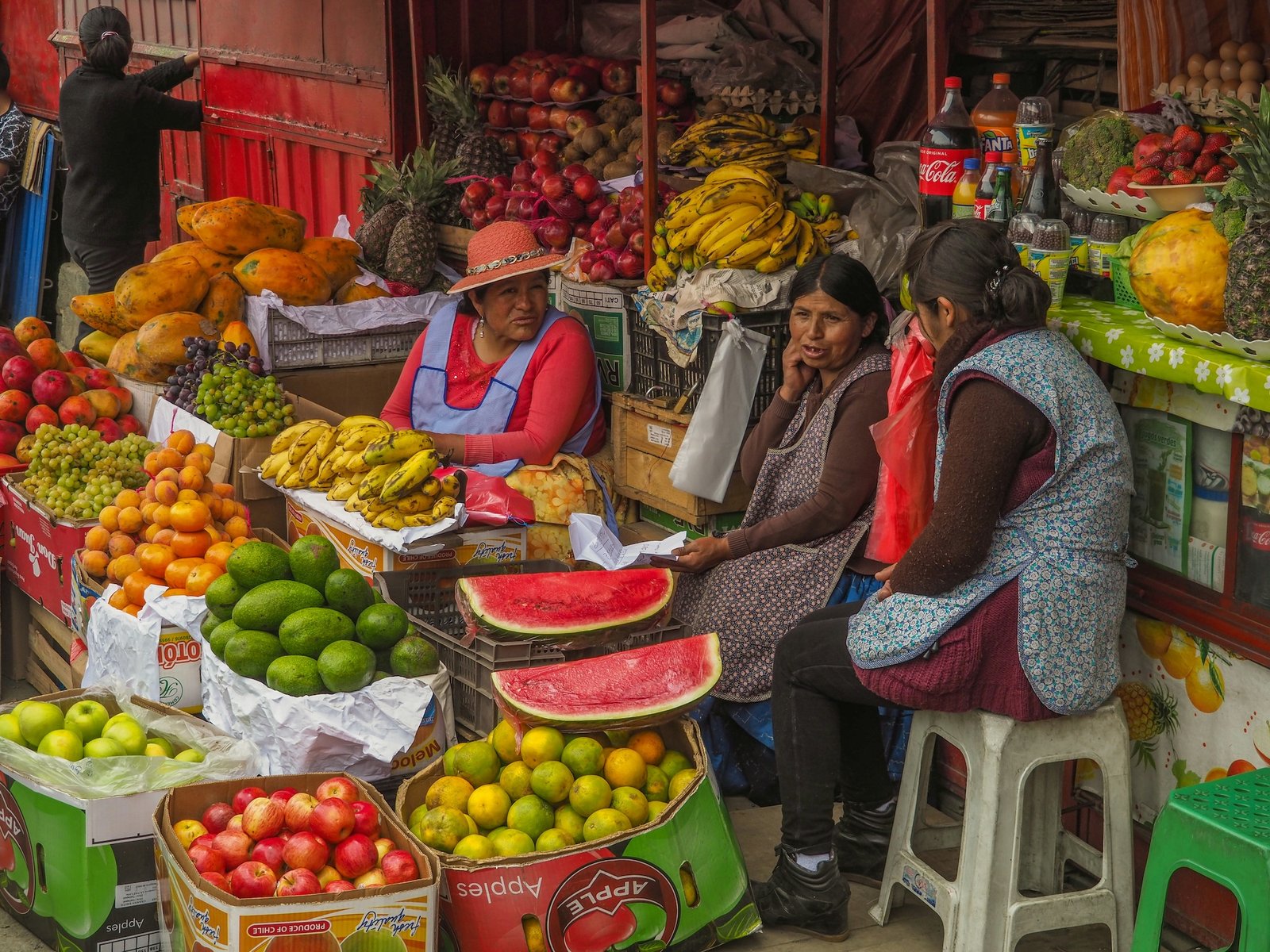
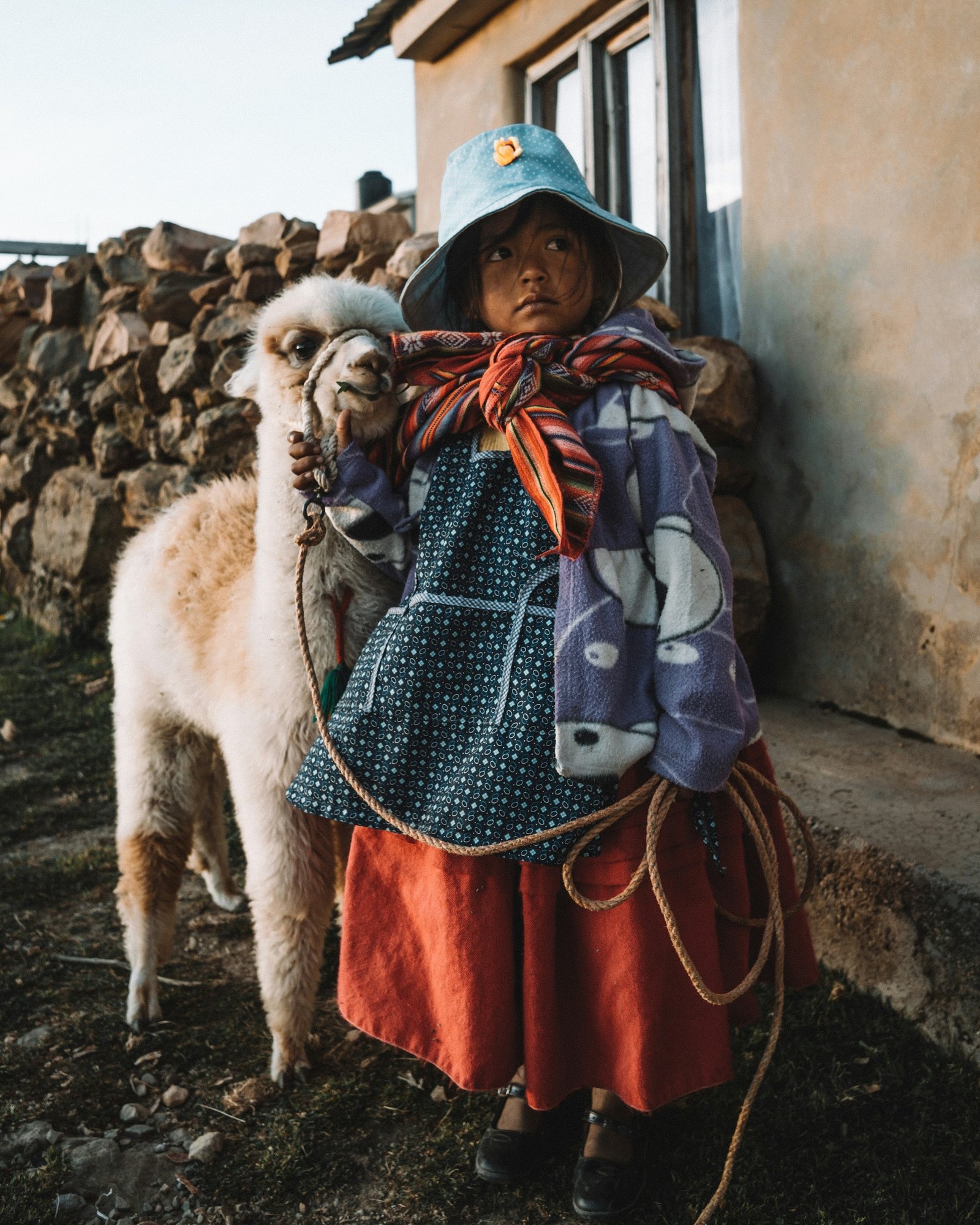
Bolivia has the highest proportion of indigenous population of any country in the Americas. Living Aymara and Quechua traditions, the Witches’ Market, colorful markets, and the Oruro Carnival make this one of the most culturally immersive destinations in Latin America.
Outstanding Value
Food, lodging, transport, and guided experiences in Bolivia cost significantly less than in most neighboring countries — making it one of the best-value destinations in South America for quality of experience per dollar spent.
Top Experiences
PLAN AROUND EXPERIENCES, NOT JUST REGIONS
Salar de Uyuni
The crown jewel of Bolivia — a multi-day jeep expedition across the world’s largest salt flat, combined with high-altitude colored lagoons, flamingos, volcanic peaks, geysers, and desert landscapes near the Chilean border. Dry season gives the stark white surface; wet season creates the famous mirror effect.
La Paz City
Explore the Witches’ Market, San Francisco Church, central markets, and Plaza Murillo. Ride the Mi Teleférico cable car for panoramic views across the city-canyon. Visit the Valley of the Moon. Allow a full day or two to acclimatize — La Paz sits at nearly 12,000 feet.
Lake Titicaca & Copacabana
The sacred lake of the Incas, at over 12,000 feet above sea level. Take a boat to the Island of the Sun for ancient terraces and Inca ruins. Copacabana is a pilgrimage town with lake views, colorful boat blessings, and the revered Basilica of the Virgin of Copacabana.
Tiwanaku
A day trip from La Paz to one of South America’s most important pre-Inca archaeological sites — the Kalasasaya temple, the Semi-Subterranean Temple, Puma Punku, carved monoliths, and the iconic Gateway of the Sun, built by a civilization that predated the Inca Empire.
Sucre & Potosí
Sucre — Bolivia’s constitutional capital and the “White City” — is one of the most beautifully preserved colonial cities in South America. Potosí, a UNESCO World Heritage Site at over 13,000 feet, was built on silver wealth and remains one of the most historically remarkable cities in the Americas.
Yungas & Coroico
Northeast of La Paz, the dramatic descent over La Cumbre Pass takes travelers from snowcapped peaks into the lush cloud forests of the Yungas. Coroico is a warm, green escape from altitude — a popular overnight trip from the capital for good reason.
Oruro Carnival
One of the great festivals of South America, recognized by UNESCO — the Carnaval de Oruro features elaborate costumes, the famous Diablada dance, and a spectacle that blends Andean and Catholic traditions in a way unlike any other carnival on the continent.
Amazon Basin — The Beni
Trinidad is the gateway to the Beni lowlands — Bolivia’s Amazon frontier. River trips, birdwatching, wildlife viewing, and indigenous community visits in a tropical landscape that feels worlds apart from the highlands.
Timing
WHEN TO VISIT BOLIVIA
Dry Season (Highlands)
May to October is Bolivia’s dry season — clear skies, manageable temperatures, and the best conditions for trekking, highland travel, and the Salar de Uyuni’s stark white surface.
Wet Season (Salar Mirror)
November to April brings rain to the highlands and turns the Salar de Uyuni into a vast mirror reflecting clouds and sky — the most photographed version of the salt flat. Travel is still possible but roads can be affected.
Oruro Carnival
Held in February or March depending on the calendar. One of the great festivals of the Americas — book accommodation in Oruro many months in advance if this is your target.
Amazon & Lowlands
The Beni and Santa Cruz lowlands are accessible year-round. June to September (dry season) is generally easier for travel and wildlife viewing; the wet season (Nov–Apr) brings lush conditions and river travel.
Travel Essentials
FACTS & PRACTICAL DETAILS
SAFETY ADVISORY
Bolivia is listed by the U.S. Department of State as Level 2: Exercise Increased Caution due to crime and civil unrest. The advisory specifically designates Chapare Province as Do Not Travel due to crime.
Travelers should monitor current conditions, avoid demonstrations, and use reputable transportation. Most popular destinations — La Paz, Uyuni, Lake Titicaca, Sucre, and Potosí — are regularly visited by international travelers without issue.
Key Areas
A SIMPLE GEOGRAPHY OF BOLIVIA
La Paz & the Altiplano
Bolivia’s administrative capital is set in a dramatic natural bowl below El Alto, backed by Mount Illimani at over 21,000 feet. The Witches’ Market, San Francisco Church, colorful central markets, the Valley of the Moon, and the remarkable Mi Teleférico cable car system are all essential stops. Day trips reach Tiwanaku ruins and the Valle de la Luna. Allow time to acclimatize — La Paz sits at nearly 12,000 feet.
Lake Titicaca & Copacabana
The world’s highest navigable lake sits about 100 miles from La Paz. Copacabana is the main Bolivian town on the lakeshore — a pilgrimage center for the Virgin of Copacabana, with ferries to the Island of the Sun and Island of the Moon. Ancient terraces, Inca ruins, and sweeping lake views make this one of Bolivia’s most evocative regions.
Uyuni & the Salt Flats
The Salar de Uyuni is the world’s largest salt flat — over 4,000 square miles of crystalline white at 12,000 feet above sea level. Multi-day jeep expeditions from Uyuni typically combine the salt flats with the Eduardo Avaroa Reserve: colored lagoons, flamingos, volcanic peaks, geysers, and hot springs near the Chilean border.
Sucre & Potosí
Sucre — Bolivia’s constitutional capital — is the “White City,” a UNESCO-recognized colonial gem of whitewashed buildings, plazas, and churches. The Sunday market at Tarabuco nearby is famous for indigenous textiles. Potosí, at over 13,000 feet, was once one of the most important cities in the Spanish Empire, built on the silver of Cerro Rico. Its historic center is a UNESCO World Heritage Site.
Cochabamba, Oruro & Santa Cruz
Cochabamba — Bolivia’s “garden city” — is known for its markets, food culture, and the Cristo de la Concordia. Oruro is famous for the UNESCO-recognized Carnaval de Oruro. Santa Cruz, in the eastern lowlands, is Bolivia’s largest and most modern city — a base for the Jesuit Missions of Chiquitos, Amboró National Park, and the UNESCO archaeological site of Samaipata.
Yungas & Amazon Lowlands
Northeast of La Paz, the Yungas descend dramatically from snowcapped peaks into cloud forest and tropical valleys — coffee, citrus, and coca replace the Altiplano’s stark landscape. Coroico is a popular warm-weather escape. Further east, the Beni lowlands offer Bolivia’s Amazon experience: river trips, wildlife, and indigenous communities accessible from the town of Trinidad.
Parks & Wildlife
PROTECTED LANDS & NATURAL WONDERS
Bolivia’s protected areas range from high-altitude salt deserts to cloud forests and Amazon rainforest — containing some of the most biodiverse and least-visited wilderness in South America.
Eduardo Avaroa Andean Reserve
Bolivia’s most visited protected area, adjacent to the Salar de Uyuni. High-altitude colored lagoons (Laguna Colorada, Laguna Verde), flamingo colonies, geysers, volcanoes, and extraordinary desert landscapes near the Chilean and Argentine borders.
Madidi National Park
One of the most biodiverse protected areas on Earth, spanning Andean cloud forest down to Amazon lowland — protecting jaguars, giant otters, tapirs, and an extraordinary range of bird species. Accessible by river from Rurrenabaque.
Noel Kempff Mercado National Park
A UNESCO World Heritage Site in the far east of Bolivia — a remote Amazon frontier park of extraordinary biodiversity, ancient tabletop mountains (tepuis), waterfalls, and virtually no mass tourism.
Amboró National Park
Near Santa Cruz, Amboró is one of the most biodiverse areas in Bolivia — a meeting point of Andean, Chaco, and Amazon ecosystems, with exceptional birding and accessible cloud forest.
Tiwanaku Archaeological Zone
A UNESCO World Heritage Site near Lake Titicaca — the ancient capital of a pre-Inca civilization that flourished between 300 and 1000 AD. The Gateway of the Sun and Puma Punku are among the most remarkable archaeological structures in the Americas.
Lake Titicaca
At over 12,500 feet, the world’s highest navigable lake is an ecological reserve protecting unique endemic species including the Titicaca water frog and giant grebe, alongside a living landscape of reed islands and Andean community life.
Traveler Questions
BOLIVIA TRAVEL FAQ
What should I know about altitude sickness in Bolivia?
Altitude is the most important practical consideration for Bolivia. La Paz sits at approximately 3,600 meters (11,800 ft) and El Alto, the city above it, is even higher. The Uyuni Salt Flat area sits around 3,700 meters. Altitude sickness (soroche) is a real concern — symptoms include headache, nausea, and fatigue. The standard advice: arrive, rest for 24 hours, stay hydrated, avoid alcohol initially, and consider acetazolamide (Diamox) if you are prone to altitude issues. Most travelers acclimatize within two to three days.
Is the Uyuni Salt Flat worth the journey?
The Salar de Uyuni is one of the most extraordinary landscapes on earth — a nearly perfect white expanse of 10,000 sq km at high altitude, transforming into a mirror of the sky during the rainy season (November–March). The journey involves long overnight buses or domestic flights from La Paz to Uyuni town. Three-day tours typically include the salt flat, coloured lagoons, flamingos, geysers, and the Eduardo Avaroa National Reserve. It is one of South America’s great bucket-list experiences.
Do U.S. citizens need a visa for Bolivia?
Visa requirements for Bolivia have changed in recent years. U.S. citizens previously required a visa, but reciprocal arrangements have been modified periodically. As of 2025, verify current requirements with the Bolivian consulate or a recent travel source before booking — this is one destination where getting up-to-date information before travel is genuinely important. Passport validity requirements apply.
What is the best time to visit Bolivia?
The dry season from May through October is the best time to visit most of Bolivia. La Paz, Lake Titicaca, the Yungas valleys, and the Altiplano are most accessible and comfortable in these months. The Uyuni Salt Flat is most famous during the rainy season (November–March) when thin water creates the perfect mirror reflection — a trade-off between access to remote areas (harder in the wet) and the iconic photo opportunity.
LOCAL SPECIALISTS WE TRUST
Bolivia rewards travelers who plan carefully. The operators below have genuine expertise in the salt flats, the Amazon, the highlands, and the adventure circuits that make Bolivia one of South America’s most compelling destinations.
Salt Flats & Southwest Circuit
Tupiza Tours
Tupiza Tours is a family-owned tour operator based in Tupiza and specializing in expeditions across the Uyuni Salt Flats and Southwest Bolivia. In addition to operating the classic Uyuni and Sud Lípez circuit, the company has hotels, tourism offices, and operational bases in La Paz, Uyuni, Tupiza, and Tarija
Best for: Travelers looking for customized tours and itineraries originating throughout Bolivia.
Abercombie & Kent
One of the world's most respected luxury travel companies, offering award-winning private and small-group journeys through Bolivia — from the Uyuni salt flats and Lake Titicaca to remote Noel Kempff Mercado National Park.
Best for: Discerning, high-end travelers who want seamlessly curated, expert-guided experiences with no compromises on quality.
Adventure, Amazon & Custom
Gravity Bolivia
The definitive operator for the famous Death Road (Yungas Road) mountain bike descent — consistently regarded as the best-run and safest option. Also offers trekking, climbing, and off-road adventures.
Best for: Adventure travelers — particularly anyone doing the Death Road by bike.
Crillon Tours
Bolivia's pioneering luxury DMC, operating since 1958 with deep expertise across Lake Titicaca, the Uyuni Salt Flats, the Amazon, and beyond — crafting bespoke itineraries and multi-country corridors through the Andes.
Best for: upscale travelers seeking a specialist in-country operator with decades of on-the-ground knowledge.
Latin Travel does not book tours directly. These are editorial selections. Please mention Latin Travel when you contact them — it helps us keep this guide current.