Overview
SOUTH AMERICA’S QUIET ACHIEVER
Tucked between Brazil, Argentina, and the Atlantic Ocean, Uruguay is one of South America’s most stable, welcoming, and easy-to-navigate countries — and one of its most underrated.
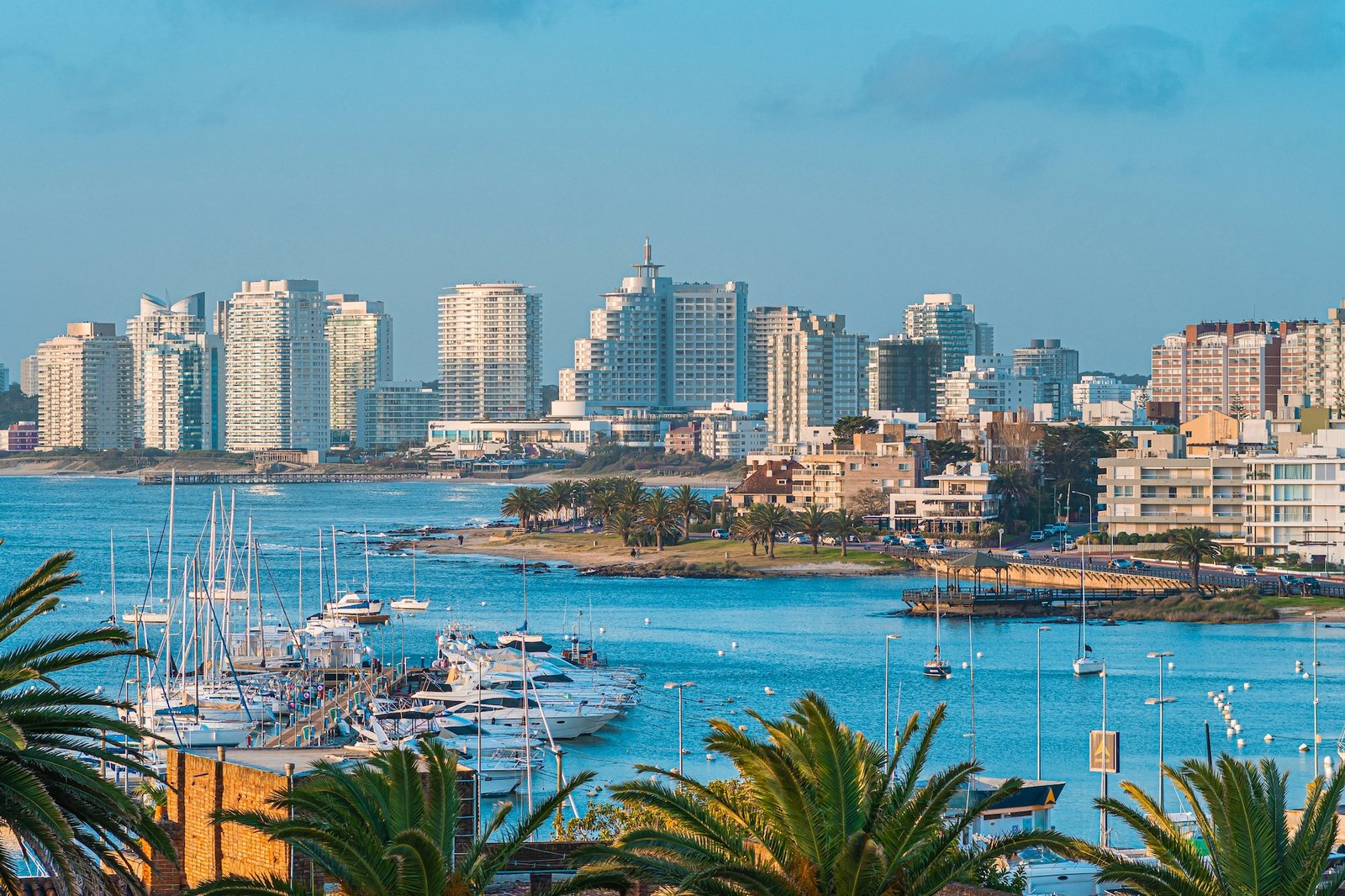
The capital Montevideo is a laid-back coastal city with a mix of colonial architecture, vibrant neighborhoods, a kilometers-long waterfront rambla, and a café culture that encourages slowing down. Along the Atlantic coast, more than 400 miles of beaches draw visitors during the austral summer from December through March, with Punta del Este the most famous — a world-class resort with calm Río de la Plata waters on one side and Atlantic surf on the other.
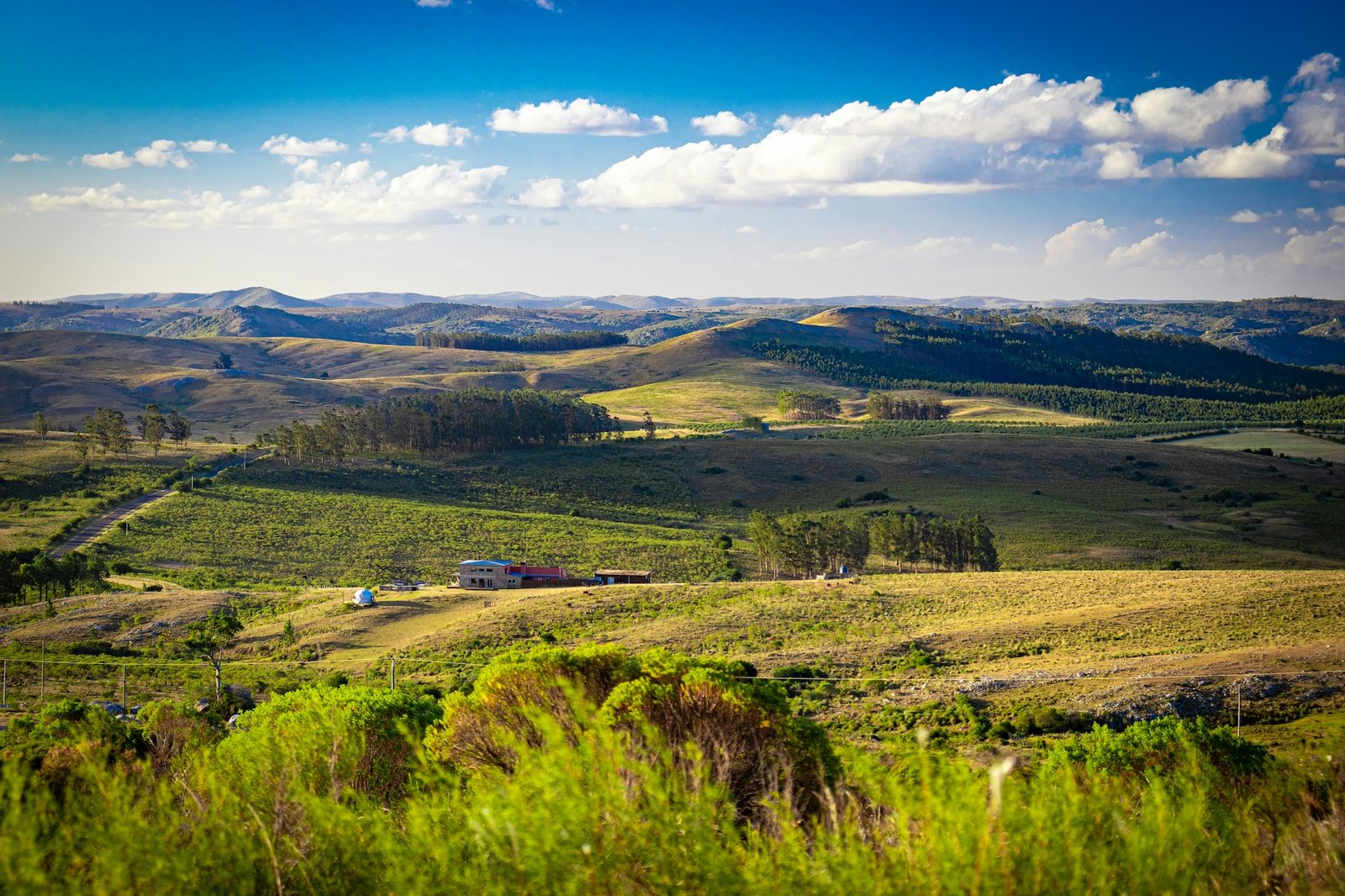
Inland, the country is largely rolling grasslands and cattle country — one vast estancia, where gaucho culture remains genuinely alive. Uruguay has also built a growing reputation for wine, particularly Tannat, a deep red grape that thrives in the country’s climate. For many travelers, Uruguay is an easy and extraordinarily worthwhile extension of a trip to Buenos Aires, just across the Río de la Plata by ferry.
Best for travelers who appreciate refined, relaxed experiences: excellent food, beautiful beaches, colonial history, good wine, and a country that feels genuinely welcoming at every turn. An ideal extension to Argentina or Brazil.
Geography
WHERE EVERYTHING IS
Uruguay is compact enough to be driven across in a day. Montevideo anchors the south on the Río de la Plata estuary. Colonia del Sacramento sits an hour west, the Atlantic resort coast stretches east toward Punta del Este and beyond, and the interior opens into grassland estancia country. Salto and Payasndú are the main cities along the Uruguay River to the northwest. Click any marker to see what’s there.
Tap or click markers for details. Pinch / scroll to zoom.
Why Go
WHAT MAKES URUGUAY STAND APART
Colonia del Sacramento
One of South America’s most charming destinations and a UNESCO World Heritage Site — cobblestone streets, Portuguese colonial buildings, a lighthouse, and waterfront views. Just a short ferry ride from Buenos Aires, it offers one of the most scenic day trips in the entire region.
Montevideo’s Rambla
One of the longest waterfront promenades in the world, stretching for miles along Montevideo’s coastline — joggers, cyclists, families, and mate drinkers sharing the same broad seafront. The city behind it mixes colonial, Art Deco, and modern architecture in an unhurried way.
Punta del Este
South America’s premier beach resort, drawing visitors from Argentina, Brazil, and well beyond each austral summer. Calm water on the bay side, surf beaches on the Atlantic, upscale hotels, restaurants, and nightlife — and nearby Casapueblo, one of the most unusual architectural landmarks on the continent.
Estancia Stays
Uruguay’s rolling interior is cattle and gaucho country. Working estancias welcome visitors for horseback riding, traditional asados, birdwatching, and an authentic glimpse of the rural culture that shaped the country. These stays are among the most memorable experiences South America offers.
Food & Wine
Uruguay takes its beef seriously — Mercado del Puerto in Montevideo is the city’s most famous institution for traditional grilled meats. The country also produces excellent wines, with Tannat — a deep, structured red — standing as Uruguay’s signature grape.
Ease of Travel
Uruguay is consistently ranked among South America’s safest and most stable countries. No visa required for U.S. citizens, credit cards widely accepted, reliable infrastructure, and genuinely warm people make it one of the most frictionless travel experiences on the continent.
Top Experiences
PLAN AROUND EXPERIENCES, NOT JUST REGIONS
Colonia del Sacramento
Walk the cobblestone Calle de los Suspiros, climb the lighthouse for views over the Río de la Plata, explore the Portuguese colonial quarter, and stay for sunset over the water. Day-trippers from Buenos Aires often linger longer than planned. An overnight stay lets you experience the town after the day boats leave.
Mercado del Puerto, Montevideo
Saturday lunch at the Mercado del Puerto is a Montevideo institution. Grill fires blaze in the historic iron market building, and the smoke of parrilladas fills the air. Order a mixed grill, a glass of Tannat, and settle in — this is one of the great lunch experiences in South America.
Montevideo’s Ciudad Vieja
The old city quarter rewards a morning of slow exploration — Plaza Independencia, the Artigas Mausoleum, the beautifully restored Solís Theatre, colonial-era buildings, and small museums. The rambla is a short walk for waterfront recovery afterward.
Punta del Este & Casapueblo
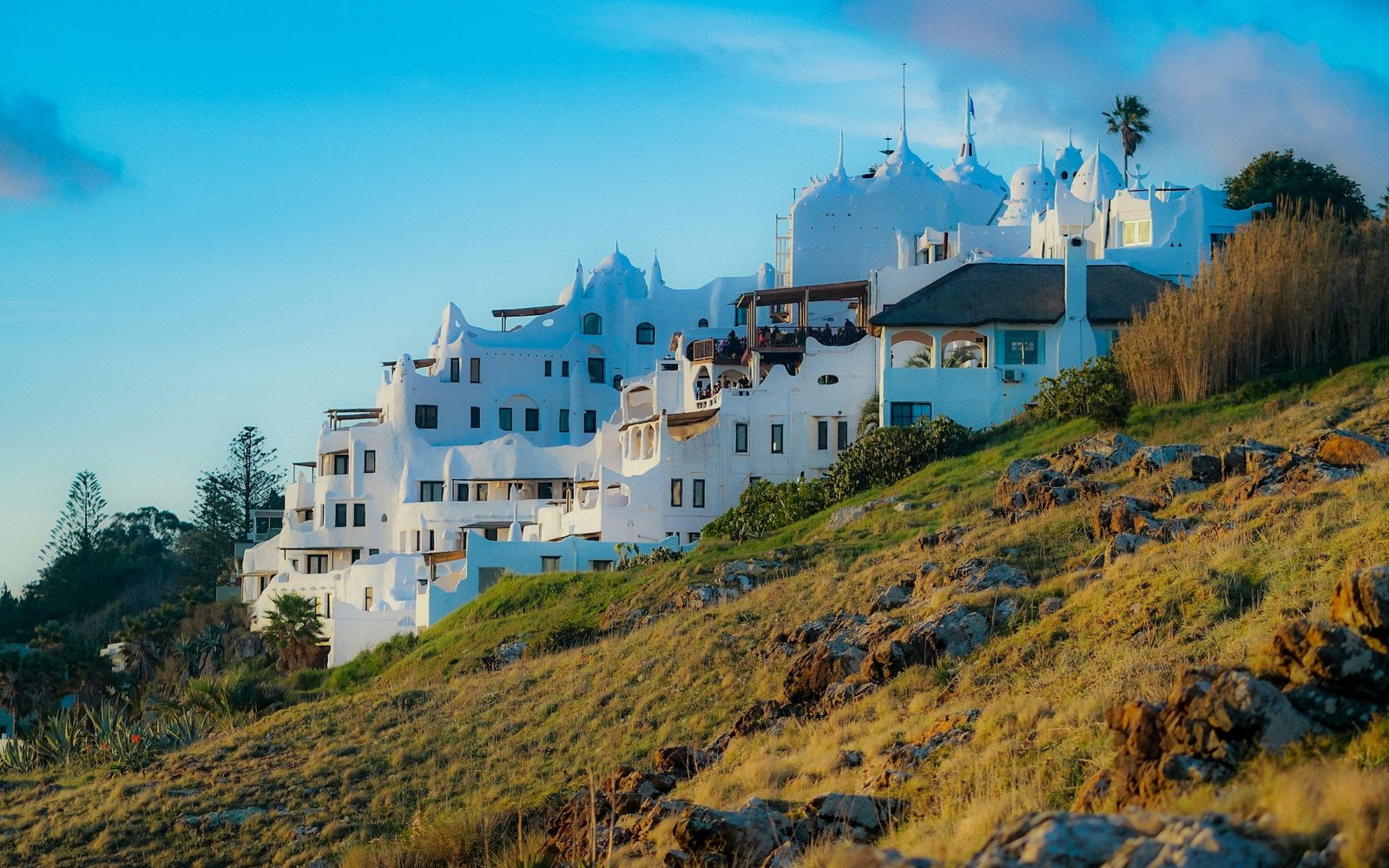
The resort town offers beaches, restaurants, and nightlife in summer, but the real landmark is Casapueblo — a whitewashed, multi-level artist’s villa built into the clifftop west of town by Uruguayan artist Carlos Páez Vilaró. The sunset view from here is exceptional.
Estancia Stay
A night or two at a working estancia in Uruguay’s interior is unlike anything the beach towns offer — horseback riding across grasslands, watching gauchos work cattle, a long asado under open skies, and complete quiet. Several estancias near the coast and in the northern interior welcome guests.
Atlantic Coast Beyond Punta
East of Punta del Este, the coast becomes quieter — La Paloma, La Pedrera, and Cabo Polonio (a remote promontory with no electricity and a sea lion colony) offer a completely different Atlantic experience. Further east, La Coronilla sits at the Brazilian border: undeveloped, natural, and almost entirely off the tourist trail.
Timing
WHEN TO VISIT URUGUAY
Summer (Austral)
December to March is peak beach season — Punta del Este and the Atlantic coast are at their busiest and most lively, with warm water, long days, and full resort operations. Book well ahead for this period.
Shoulder Seasons
October–November and April–May offer mild temperatures, fewer crowds, and good conditions for Montevideo, Colonia, and the interior. Many consider these the most pleasant months overall.
Winter
June to August is cool and quiet — beach resorts are largely closed but Montevideo, Colonia, and the estancias remain open. Winter can be a rewarding time to visit the capital without summer crowds.
Year-Round
Montevideo, Colonia del Sacramento, and the interior estancias are worth visiting any time of year. The country’s mild climate and small size make it easy to combine regions regardless of the season.
Travel Essentials
FACTS & PRACTICAL DETAILS
Key Areas
A SIMPLE GEOGRAPHY OF URUGUAY
Montevideo
Uruguay’s political, cultural, and economic center is home to nearly half the country’s population, yet retains a relaxed, human-scale feel. The Ciudad Vieja (Old Town) holds Plaza Independencia, the Artigas Mausoleum, the beautifully restored Solís Theatre, and colonial-era buildings. The rambla stretches for miles along the waterfront, passing through beach neighborhoods like Pocitos and Carrasco. Montevideo also has lively nightlife, a strong café and mate culture, good restaurants, and several excellent museums.
Colonia del Sacramento
Founded by the Portuguese in 1680 and now a UNESCO World Heritage Site, Colonia is one of Uruguay’s most charming destinations. Cobblestone streets, colonial buildings, the atmospheric Calle de los Suspiros (Street of Sighs), a working lighthouse, and sweeping views over the Río de la Plata make it memorable at any pace. A popular day or overnight trip from Buenos Aires via high-speed ferry, it is also easily reached from Montevideo in about two and a half hours by bus.
Punta del Este & the Atlantic Coast
South America’s premier beach resort draws international visitors each austral summer. The peninsula divides calm Río de la Plata waters from Atlantic surf beaches, with upscale hotels, restaurants, casinos, and nightlife filling the summer calendar. Nearby Casapueblo — artist Carlos Páez Vilaró’s whitewashed cliffside creation — is one of the most visited landmarks in Uruguay. Beyond Punta, quieter destinations stretch east: Piriápolis (relaxed seaside town), Atlántida, La Paloma (laid-back surf vibe), Cabo Polonio (no electricity, sea lions, remote), and La Coronilla near Brazil.
The Interior & Estancia Country
Uruguay’s interior is rolling grasslands and cattle country — one of South America’s great gaucho landscapes. Working estancias welcome visitors for horseback riding, asados, birdwatching, and rural immersion. The interior also has hot spring resorts, fishing rivers, and a quiet that is hard to find elsewhere on the continent. It is an ideal slow-travel complement to the coastal cities.
Salto & Hot Springs
Salto is the major city of the northwest, sitting on the Uruguay River near the Argentine border. The region is known for Termas del Arapey — one of Uruguay’s most popular thermal resorts — along with fishing, river activities, and the impressive Salto Grande hydroelectric dam shared with Argentina. The northwest is a less-visited region that rewards travelers who make the effort.
Payasndú
An agricultural and industrial center further south on the Uruguay River, Payasndú offers riverfront scenery, fishing, and easy access to Argentina via international bridge crossings. It is a working Uruguayan city rather than a tourist destination, but makes a useful stop on a northwest circuit or a crossing into Entre Ríos province in Argentina.
Parks & Wildlife
NATURAL HIGHLIGHTS & PROTECTED AREAS
Uruguay is not a country defined by dramatic wilderness, but it has genuine natural highlights — particularly along its Atlantic coastline and in its river systems — that reward travelers who look beyond the beach resorts.
Cabo Polonio
A remote, roadless promontory on the Atlantic coast with no electricity, limited lodging, and one of the largest South American sea lion colonies on the continent. Access is by 4WD vehicle from the highway. A genuinely wild Atlantic experience unlike anything else on the Uruguayan coast.
Laguna de Rocha
A coastal lagoon near La Paloma designated as a protected landscape. Home to flamingos, capybaras, caimans, and many migratory bird species. The lagoon opens to the sea seasonally, creating a dynamic and ecologically rich environment that draws birders from around the region.
Valle del Lunarejo
A hidden valley in the northern interior, near Rivera, with dramatic rocky terrain, subtropical gallery forest, and excellent birdwatching. One of Uruguay’s most scenically unusual landscapes — a strong contrast to the open grasslands that dominate the country’s interior.
Esteros de Farrapos
A national park protecting a system of wetland islands in the Uruguay River, near Paysandú. Important habitat for caimans, capybaras, marsh deer, and a rich array of waterbirds. One of Uruguay’s most significant conservation areas and accessible by boat from the river.
Isla de Lobos
An island reserve off Punta del Este holding one of the largest South American sea lion colonies in the world — estimated at more than 200,000 animals at peak season. Accessible by organized boat tours from Punta del Este; no overnight stays permitted.
The Estancia Landscape
Uruguay’s rolling interior grasslands — the pampas — support rich birdlife: rheas, southern lapwings, monk parakeets, spur-winged lapwings, and various raptors. Birding from horseback on a working estancia is one of the country’s most rewarding wildlife experiences, with no special equipment or planning required.
Traveler Questions
URUGUAY TRAVEL FAQ
Is Uruguay worth visiting, or is it just a day trip from Buenos Aires?
Uruguay absolutely rewards its own dedicated trip, though many first-time visitors do indeed combine it with Buenos Aires. Montevideo is a genuinely underrated capital — compact, walkable, with a beautiful rambla (waterfront promenade), a fascinating old city, and one of the best food scenes in South America. Punta del Este is Uruguay’s glamorous beach resort known throughout the Southern Cone. The interior — Colonia del Sacramento, the wine region of Carmelo, and the gaucho heartland — reveals a quieter, deeply authentic Uruguay that rewards travelers who linger.
What is the best time to visit Uruguay?
December through March is the austral summer season — ideal for beaches, outdoor life in Montevideo, and Punta del Este (which is mobbed in January by Argentine and Brazilian vacationers). The shoulder seasons of October–November and April–May offer pleasant weather with far fewer crowds. Winter (June–August) is mild but grey in Montevideo — the city continues normally and can be charming, but beach travel is not the draw.
Is Uruguay expensive?
Uruguay is generally the second-most expensive country in South America after Chile. Montevideo is more affordable than Buenos Aires at favorable exchange rates, and the interior is cheaper than the capital. Punta del Este in high season is very expensive — comparable to Miami Beach prices. The value proposition improves considerably in shoulder season and off peak. Uruguay has high quality of life standards that are reflected in prices for food, accommodation, and services.
Is Uruguay safe?
Uruguay consistently ranks as one of the safest countries in Latin America. Montevideo has a low violent crime rate by regional standards; petty theft in crowded areas warrants normal attention. The country has stable democratic governance, low corruption by regional standards, and a well-functioning state. Solo travelers, families, and LGBTQ+ visitors consistently report feeling comfortable and welcome. It is a genuinely relaxed country in which to travel.
LOCAL SPECIALISTS WE TRUST
Uruguay’s charm is its intimacy — it’s a country that rewards slow travel, estancia stays, and genuine interaction. The operators below understand that and build itineraries to match.
Golden Latin DMC
South America-focused DMC covering Uruguay across leisure, luxury, and group travel — private itineraries through Montevideo’s Ciudad Vieja, Colonia del Sacramento, Punta del Este, and the boho-chic coastal village of José Ignacio. English-language support with US and Brazil offices.
Best for: Private, well-organized Uruguay itineraries combining the capital, the colonial coast, and the glamorous Uruguayan Riviera.
Tours Uruguay
Canelones-based day-tour operator covering Montevideo, Punta del Este, and Colonia del Sacramento city tours, plus winery visits to Bodega Pizzorno and Bodega Bouza in the Canelones wine region. No advance deposit required — pay on the day.
Best for: Straightforward, affordable day tours across Uruguay’s main destinations, including city circuits and wine country visits.
Jacada Travel
Award-winning luxury bespoke travel company (Condé Nast Traveller Top Travel Specialists 2025–2026), designing private Uruguay itineraries combining Punta del Este, José Ignacio, Colonia del Sacramento, Carmelo wine country, and estancia stays — with dedicated travel designers and on-the-ground concierge support.
Best for: Luxury, tailor-made Uruguay itineraries with first-class accommodation and fully managed travel design.
Latin Travel does not book tours directly. These are editorial selections. Please mention Latin Travel when you contact them — it helps us keep this guide current.