Overview
THE WORLD'S MOST GEOGRAPHICALLY DIVERSE COUNTRY
Long, narrow, and extraordinary — Chile stretches over 2,600 miles along the Pacific, offering one of the most varied travel experiences in the world within a single country.
To the north lies the stark beauty of the Atacama Desert — the driest non-polar desert on earth, with high-altitude salt flats, geysers, and some of the clearest night skies anywhere for astronomy. The south unfolds into the dramatic landscapes of Patagonia: Torres del Paine National Park, glaciers, fjords, and the wild southern tip of the continent. Between these extremes sit fertile wine valleys, alpine lake districts, and the vibrant capital of Santiago, set against the backdrop of the Andes.
Thousands of miles offshore in the Pacific lies one of the world’s most mysterious destinations: Easter Island (Rapa Nui), with its 800-plus moai statues and Polynesian culture unlike anything on the South American mainland. Chile is internationally recognized for its wine, seafood, outdoor adventure, and as one of South America’s most well-organized and stable travel destinations.
Best for travelers seeking dramatic scenery, outdoor adventure, and a well-organized travel experience — from the otherworldly Atacama to Patagonia’s glaciers, with world-class wine, Easter Island, and a cosmopolitan capital in between.
Geography
WHERE EVERYTHING IS
Chile’s extraordinary shape — an average of just 110 miles wide but 2,600 miles long — means traveling from north to south is effectively a journey through several different climatic zones and landscapes. The Atacama anchors the far north; Santiago and the wine regions occupy the fertile center; the Lake District begins around Puerto Montt; and Patagonia stretches to Punta Arenas at the continent’s tip. Easter Island lies 2,300 miles offshore to the west. Click any marker for details.
Tap or click markers for details. Pinch / scroll to zoom. Easter Island marker is 2,300 miles west.
Why Go
WHAT MAKES CHILE STAND APART
Patagonia & Torres del Paine
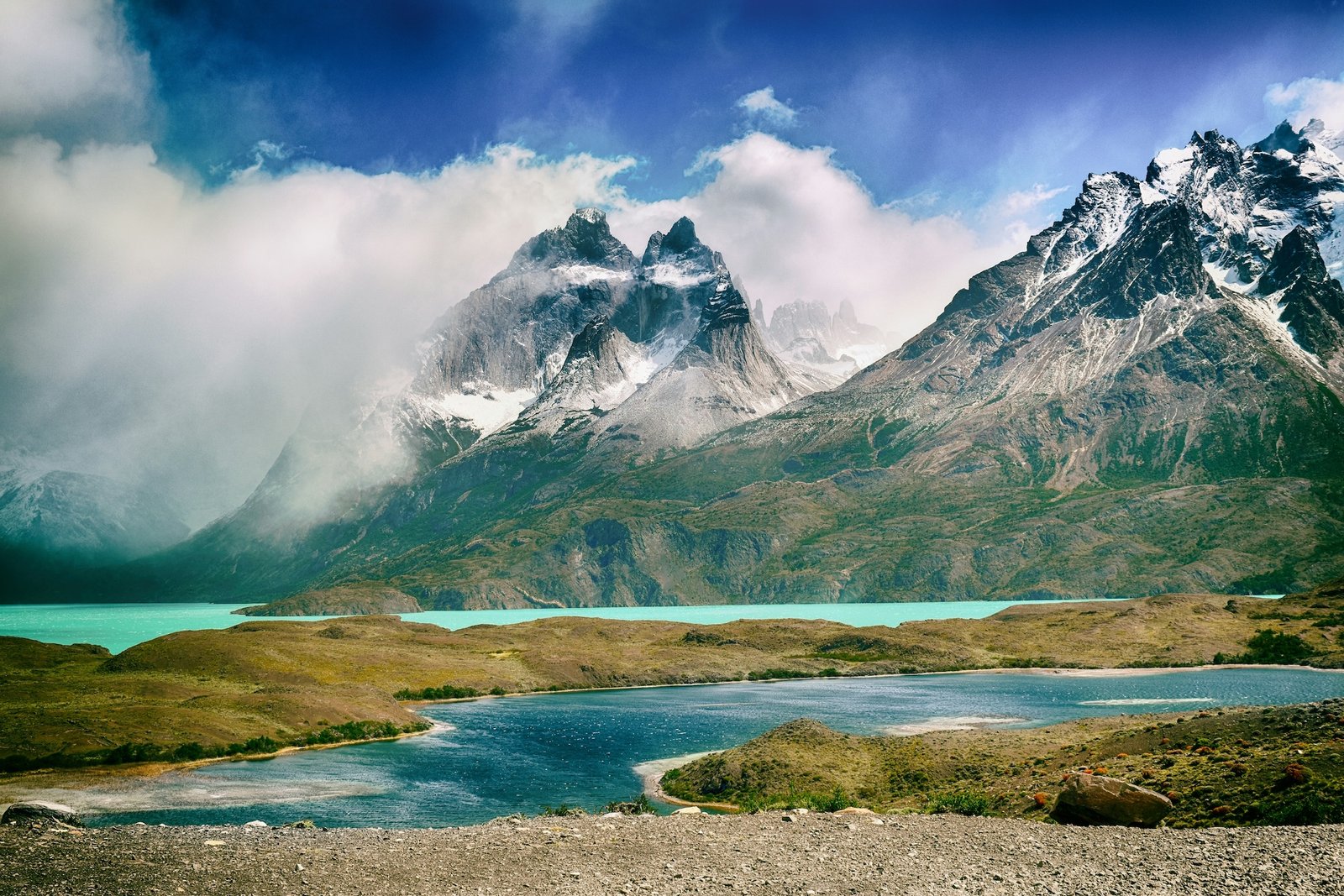
Torres del Paine National Park is one of the world’s great trekking destinations — the granite towers, glaciers, turquoise lakes, and Patagonian steppe create a landscape of extraordinary scale and beauty. The W Trek and O Circuit are among the most celebrated routes in the Americas.
The Atacama Desert
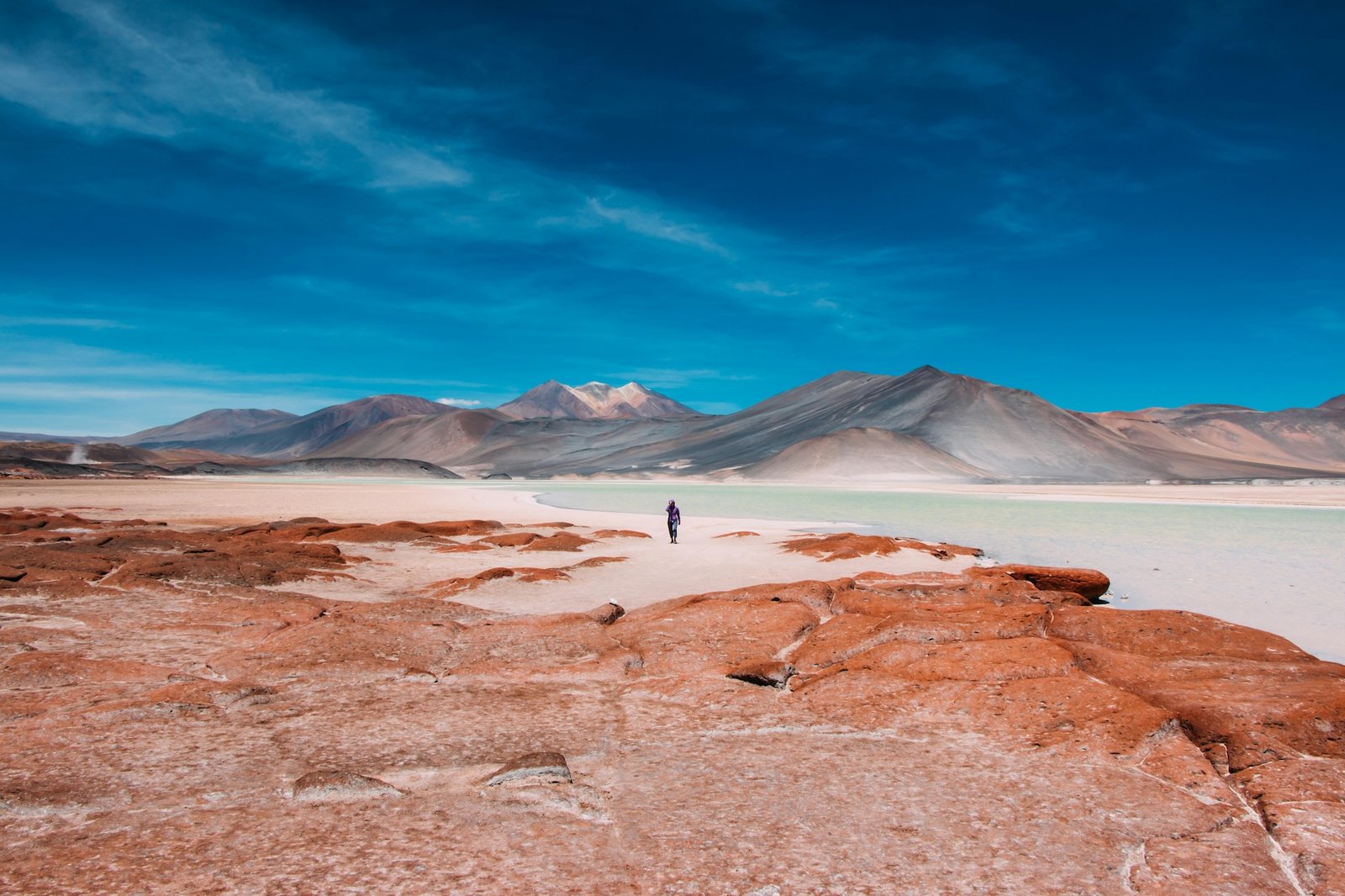
One of the most surreal landscapes on earth — vast salt flats, high-altitude colored lagoons, volcanic peaks, geysers at dawn, and the clearest night skies in the world. San Pedro de Atacama is the base for exploring a landscape that feels more like another planet than another country.
Easter Island
One of the most remote inhabited places on earth — and one of the most mysterious. More than 800 moai statues carved from volcanic rock, a living Rapa Nui culture, and a landscape of volcanic craters and coastal cliffs make Easter Island a destination unlike any other on earth.
World-Class Wine
Chile is one of the world’s top wine producers — the Maipo Valley produces exceptional Cabernet Sauvignon, the Casablanca Valley is known for Sauvignon Blanc, and Carménère (essentially unique to Chile) is the country’s signature red. Wine tours from Santiago are easy and excellent.
Stability & Infrastructure
Chile is consistently ranked one of the safest and best-organized countries in South America, with modern highways, a reliable domestic airline network, excellent hotels across all price points, and a travel infrastructure that makes independent travel straightforward even in remote regions.
Seafood & Cuisine
With thousands of miles of Pacific coastline, Chile’s seafood is extraordinary — king crab (centolla) from Patagonia, sea urchin, shellfish, ceviche, and fresh fish feature prominently. Empanadas, cazuela, pastel de choclo, and Chilean craft beer and pisco round out a food culture that rewards exploration.
Top Experiences
PLAN AROUND EXPERIENCES, NOT JUST REGIONS
Torres del Paine
The centerpiece of Chilean Patagonia — a national park of granite towers, glaciers, turquoise lakes, and dramatic weather. The W Trek (4–5 days) is the most popular route; the full O Circuit (8–10 days) circles the entire massif. Book campsites and refugios months in advance for the peak season (November–March). Guanacos, condors, and pumas are among the wildlife.
Atacama Desert
San Pedro de Atacama is the base for a remarkable cluster of natural wonders: El Tatio geysers (spectacular at sunrise at 14,000 feet), Valle de la Luna (Moon Valley — eerie salt and clay formations at sunset), high-altitude lagoons with flamingos, and night sky astronomy tours under some of the clearest skies on the planet. Allow at least three days.
Easter Island (Rapa Nui)
Three to four days minimum to cover the island’s main sites: Rano Raraku quarry (where the moai were carved), Ahu Tongariki (the largest restored platform, with 15 moai), Anakena Beach, and Orongo ceremonial village. The Rapa Nui people and their living culture — music, dance, and the annual Tapati festival — are as compelling as the archaeology. Reached by daily LAN flights from Santiago.
Wine Country
The Maipo Valley (30 minutes from Santiago) is Chile’s most established wine region — Concha y Toro, Santa Rita, and Cousiño Macul all have excellent visitor centers. The Casablanca Valley (between Santiago and Valparaíso) specializes in cool-climate whites. The Colchagua Valley is known for rich reds and boutique wineries. Full and half-day wine tours from Santiago are well organized.
Valparaíso
A UNESCO World Heritage Site — a chaotic, colorful port city built on 42 hills above the Pacific, connected by historic funiculars (ascensores). Street art, bohemian neighborhoods, seafood restaurants, and viewpoints across the bay make it one of the most distinctive cities in South America. Combine with Viña del Mar (the beach resort next door) for a full day trip from Santiago.
Patagonia Fjords Cruise
One of the great ocean journeys in the Americas — a multi-day cruise through Chilean fjords, past glaciers and uninhabited islands, from Puerto Montt south to Punta Arenas (or reverse). The Navimag ferry is the classic budget option; several luxury expedition ships offer the same route at a higher level. The scenery is extraordinary throughout.
Lake District
Around Puerto Montt and Puerto Varas, the landscape of snow-capped volcanoes, clear blue lakes, and rivers reflects a strong German immigrant heritage in the architecture and food culture of towns like Frutillar and Puerto Varas. Osorno Volcano, Petrohué Falls, and Vicente Pérez Rosales National Park are the highlights. Excellent fly fishing throughout the region.
Santiago
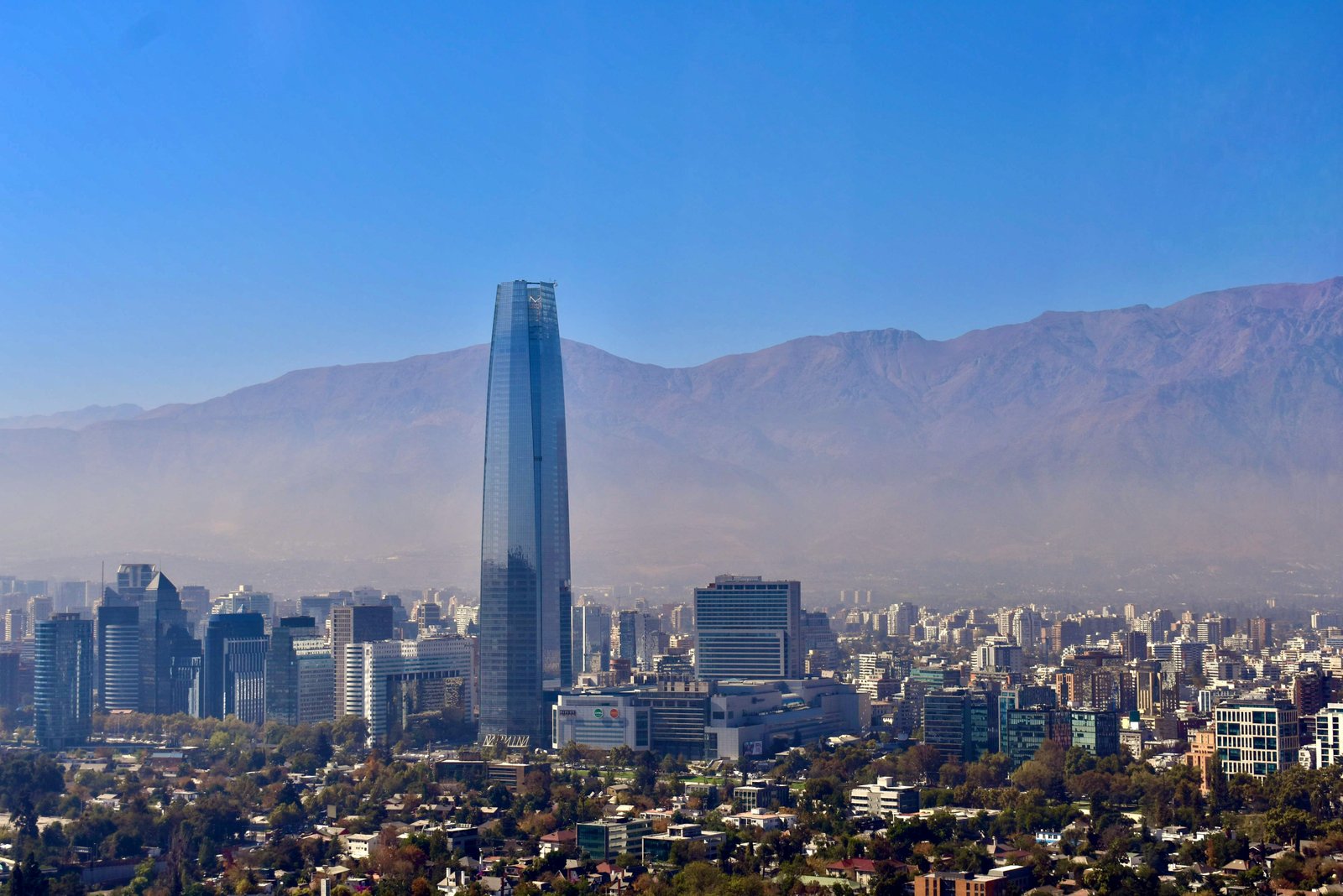
A modern, cosmopolitan capital at the foot of the Andes — on clear days, the snow-capped peaks rise dramatically above the city skyline. Cerro San Cristóbal and Cerro Santa Lucía offer panoramic views; the Bellavista and Lastarria neighborhoods have excellent restaurants, bars, and street life; MASP-equivalent museums and contemporary art spaces have elevated the cultural scene considerably.
Timing
WHEN TO VISIT CHILE
Patagonia & the South
November through March is Patagonia’s summer — the only practical window for trekking Torres del Paine, with longer days, milder temperatures, and park access. Peak season is December–February; book campsites and accommodation months in advance. Shoulder months (November, March) offer better availability with similar conditions.
Atacama Desert
The Atacama is a year-round destination — its extreme dryness means rain is almost never a factor. June through August (Andean winter) brings the coldest nights but also spectacular snow on surrounding volcanoes and fewer tourists. March through May and September through November offer mild temperatures and good stargazing.
Santiago & Wine Regions
Santiago is pleasant most of the year. October through April is spring and summer in the southern hemisphere — warm, dry, and ideal for wine country visits. The grape harvest (vendimia) in March is a festive time in wine regions. Winter (June–August) brings cold, rain, and smog to Santiago but opens the Andes ski season.
Easter Island
Easter Island has a subtropical climate and is accessible year-round. The driest months are September through November; the Tapati festival (early February) is the island’s biggest cultural event. Avoid January and February if possible — peak Chilean summer holidays bring the island’s largest crowds.
Lake District
December through March offers the best weather for hiking, lake swimming, and exploring the Lake District. April through June brings autumn color to the forests — a beautiful and less crowded period. Winter closes some mountain roads but the towns remain accessible.
Skiing
June through September is the ski season in the Chilean Andes — resorts including Valle Nevado, Portillo (one of the oldest in South America), and La Parva are accessible from Santiago within 1–2 hours. Southern hemisphere ski season attracts northern hemisphere skiers during their summer months.
Travel Essentials
FACTS & PRACTICAL DETAILS
SAFETY ADVISORY
Chile is considered one of the safest countries in South America, with low violent crime rates and strong infrastructure. Standard urban precautions apply in Santiago and Valparaíso — petty theft and pickpocketing occur in busy areas. Use registered taxis or rideshare apps, keep valuables secure in crowded places, and stay aware during occasional protests in Santiago which can disrupt transportation.
The Atacama, Lake District, wine regions, and Patagonia are all low-risk for travelers. Easter Island is extremely safe. Overall, Chile rewards independent travelers and requires less defensive planning than most of its neighbors.
Key Areas
A SIMPLE GEOGRAPHY OF CHILE
The Desert North (Atacama)
San Pedro de Atacama is the base for exploring the world’s driest non-polar desert — a landscape of salt flats, colored lagoons, volcanoes, geysers, and dunes that feels genuinely otherworldly. El Tatio geysers (best at sunrise), Valle de la Luna at sunset, and the flamingo lagoons of the altiplano are the headline experiences. The Atacama also has some of the clearest skies on earth — astronomy tourism has grown significantly, with several high-quality observatories offering public programs. Calama is the regional airport; Antofagasta and Arica are coastal cities further north.
Santiago & Central Chile
Santiago is a modern capital at the foot of the Andes — on clear winter days the mountains rise dramatically above the city. The historic center, the Bellavista neighborhood, Cerro San Cristóbal, and a strong restaurant and museum culture make it a worthwhile 2–3 day base. Day trips reach Valparaíso and Viña del Mar (an hour west), and the wine valleys of Maipo, Casablanca, and Colchagua. Ski resorts at Valle Nevado and Portillo are 1–2 hours from the city and among the best in South America.
Easter Island (Rapa Nui)
One of the most isolated inhabited places on earth — 2,300 miles from the Chilean coast — Easter Island is a destination in its own right requiring a minimum of three days. The moai statues at Ahu Tongariki (15 figures facing inland, restored after a 1960 tsunami), the Rano Raraku quarry (where the statues were carved), and the hilltop ceremonial village of Orongo are the main sites. Rapa Nui culture — its music, language, and traditions — is distinct from any other Polynesian island. Daily LAN flights connect from Santiago.
The Lake District
South of Santiago, the landscape shifts from dry central Chile to a region of snow-capped volcanoes, deep blue lakes, and rivers teeming with trout. Puerto Montt is the regional hub; Puerto Varas, on Lake Llanquihue with views of Osorno Volcano, is the more charming base. Frutillar’s lakeside German architecture, the Petrohué Falls, and Vicente Pérez Rosales National Park (Chile’s oldest) are the highlights. The region is a world-class fly fishing destination and connects north to south via the beautiful Carretera Austral road.
Patagonia & the Far South
Punta Arenas is the gateway to Chilean Patagonia — a frontier city at the Strait of Magellan with ferry connections to Tierra del Fuego. Torres del Paine National Park, four hours north by road, is the destination — granite towers, the Grey Glacier, and some of the finest trekking in the world. The fjords cruise from Puerto Montt to Punta Arenas (or reverse) is one of the great ocean journeys in the Americas. Punta Arenas is also one of two primary gateways to Antarctica for expedition travel during the austral summer.
Parks & Wildlife
PROTECTED LANDS & NATURAL WONDERS
Chile’s extreme geographic diversity — desert, temperate forest, Andean steppe, fjords, and subantarctic islands — is reflected in a national park system that contains some of the most spectacular protected landscapes in the Americas.
Torres del Paine National Park
The centerpiece of Chilean Patagonia and one of the world’s great national parks. The granite towers (torres) rise nearly 9,000 feet from the Patagonian steppe; the Grey Glacier calves into a turquoise lake; the Paine Massif offers trekking routes ranging from day hikes to the 8–10 day O Circuit. Guanacos, Andean condors, pumas, and black-necked swans are among the wildlife regularly encountered.
Atacama Natural Reserve
The Atacama’s protected areas include Los Flamencos National Reserve — a network of high-altitude lakes, salt flats, and volcanic landscapes protecting three species of South American flamingo. The nearby El Tatio geyser field (one of the world’s highest) and the Valle de la Luna are managed as protected zones within this remarkable arid ecosystem.
Vicente Pérez Rosales National Park
Chile’s oldest national park (established 1926), located in the Lake District around Lake Todos los Santos and the Osorno Volcano. Dense temperate rainforest, Petrohué Falls, and boat crossings to Argentina through the lake make it one of the most scenic and accessible parks in the country.
Lauca National Park
In the far north on the Bolivian border — a high-altitude altiplano ecosystem at over 14,000 feet. Lauca protects vicuñas, giant coots, Andean flamingos, and the viscacha (a rabbit-like rodent) around the stunning blue Lake Chungará, with the twin Parinacota and Pomerape volcanoes as a backdrop. One of the least-visited and most dramatically beautiful parks in Chile.
Easter Island (Rapa Nui National Park)
A UNESCO World Heritage Site covering much of the island. The park protects the moai statues, ceremonial platforms (ahu), and the volcanic landscapes of Rano Raraku, Rano Kau, and the Orongo ceremonial village. The living Rapa Nui culture adds a human dimension to the archaeological protection that makes this unlike any other UNESCO site.
Patagonia Fjords & Bernardo O’Higgins
Bernardo O’Higgins National Park — the largest in Chile and one of the largest in the world — is largely inaccessible by land but includes the San Rafael Glacier (reachable by boat from Coyhaique) and vast stretches of the southern fjord system. The fjords cruise passes through the western edge of this extraordinary wilderness on its way between Puerto Montt and Punta Arenas.
Traveler Questions
CHILE TRAVEL FAQ
What is the best time to visit Patagonia in Chile?
The Patagonian season runs from November through March (austral summer). December through February offers the longest days, most stable weather, and open trekking huts in Torres del Paine. October and November are shoulder months with fewer crowds and early wildflowers but more unpredictable conditions. April brings autumn colour and solitude, but some huts and services close. The shoulder periods are increasingly popular as crowds have grown in peak season. Book Torres del Paine circuits well in advance — permits sell out many months ahead.
How do I manage Chile’s extreme length?
Chile stretches over 4,300 km from the Atacama Desert to Cape Horn — the longest north-south country in the world. Domestic flights are essential for any itinerary covering more than one or two zones. The main travel axis: Atacama (north) / Santiago (center) / Lake District (south) / Patagonia (far south). Fly between regions; save overland time for exploring within each. LATAM and Sky Airline connect the major domestic routes.
Do U.S. citizens need a visa for Chile?
No. U.S. citizens can enter Chile visa-free for tourist stays of up to 90 days. Chile has one of the most open entry policies in South America and is frequently cited as among the easiest South American countries for U.S. travelers. A valid passport is required and upon entering you will receive a tourist card — keep it safe as you will need to surrender it upon departure.
Is Chile expensive?
Chile is the most expensive country in South America, particularly in Santiago, Patagonia, and the Atacama. However, “expensive” is relative — costs are roughly comparable to southern Europe rather than western Europe or North America. Patagonia adds a premium because of remoteness and limited accommodation supply. Budget travelers can manage Santiago quite affordably; Patagonia on a budget requires camping, shared dorms in refugios, and advance planning. Wine and produce are among the genuine bargains.
LOCAL SPECIALISTS WE TRUST
Chile’s extreme geography — Atacama to Patagonia — makes specialist knowledge essential. These operators know their specific regions in depth and have earned strong reputations with experienced travelers.
Patagonia & Trekking
Knowmad Adventures
Founded in Chilean Patagonia, Knowmad specializes in soft adventure — trekking, wilderness, and wildlife woven into fully bespoke itineraries. Condé Nast Top Travel Specialist status for Chile, Patagonia, and Argentina.
Best for: Travelers who want a fully custom, high-touch Patagonia trip built by specialists who know the region as intimately as anyone.
Cascada Expediciones
One of Chile’s most respected operators for Torres del Paine — the W Trek, the O Circuit, day hikes, and multi-day tent and refugio options. Also covers the Atacama. Santiago-based with deep field experience.
Best for: Trekkers planning Torres del Paine who want expert logistics and smaller groups.
Swoop Patagonia
Patagonia specialists covering Torres del Paine, the Carretera Austral, and Chilean fjords. Custom and set-departure options with deep destination knowledge and excellent pre-trip support.
Best for: First-time Patagonia trekkers and experienced hikers wanting a well-planned, supported W or O Trek.
Atacama & Northern Chile
Pukarumi Travels
A San Pedro de Atacama-based operator with a team of 40+ guides and a fleet of Mercedes-Benz Sprinters, offering personalized tours to the desert's top highlights — from the Tatio Geysers and Moon Valley to stargazing and llama treks — with a strong focus on sustainability.
Best for: Travelers who want a hands-on, locally operated experience in the Atacama with a company that knows the desert intimately.
Custom & Nationwide
Travel Coach Chile
A Santiago-based boutique agency specializing in fully customized, off-the-beaten-path itineraries across Chile and Argentina — from the Atacama and Easter Island to Patagonia — with a French and English-speaking team, transparent pricing, and a strong commitment to sustainable, locally rooted travel.
Best for: travelers seeking a personalized, authentic alternative to mass tourism, with expert on-the-ground support throughout.
Latin Travel does not book tours directly. These are editorial selections. Please mention Latin Travel when you contact them — it helps us keep this guide current.