Overview
FOUR WORLDS, ONE COUNTRY
Ecuador is one of the most diverse countries in South America — compact, accessible, and remarkably rich in landscapes and culture.
Straddling the equator, it offers everything from high Andean peaks and colonial cities to the Amazon rainforest and the wildlife-rich Galápagos Islands. Few destinations deliver such variety in such a small geographic area. Within a matter of hours, you can move from cool mountain air in Quito to tropical jungle, Pacific beaches, or one of the most unique ecosystems on Earth.
Ecuador uses the U.S. dollar, requires no visa for most American travelers, and has a well-developed tourism infrastructure — making it one of the most straightforward entries into South America for first-time visitors and experienced travelers alike.
Best for travelers who want extraordinary geographic diversity, world-class wildlife, authentic indigenous culture, and a colonial capital — all within a single, manageable trip.
Geography
WHERE EVERYTHING IS
Ecuador divides into four distinct zones running roughly north to south: the Pacific coast, the Andean highlands with their volcanic corridor, the Amazon basin to the east, and the Galápagos Islands some 600 miles offshore. Click any marker to see what’s there.
Tap or click markers for details. Pinch / scroll to zoom. Galápagos Islands are located ~600 miles off the coast.
Why Go
WHAT MAKES ECUADOR STAND APART
Geographic Diversity
Andes, Amazon, Pacific coast, and the Galápagos in one compact country. No other nation in South America packs this range into such a small area.
Quito & Colonial Heritage
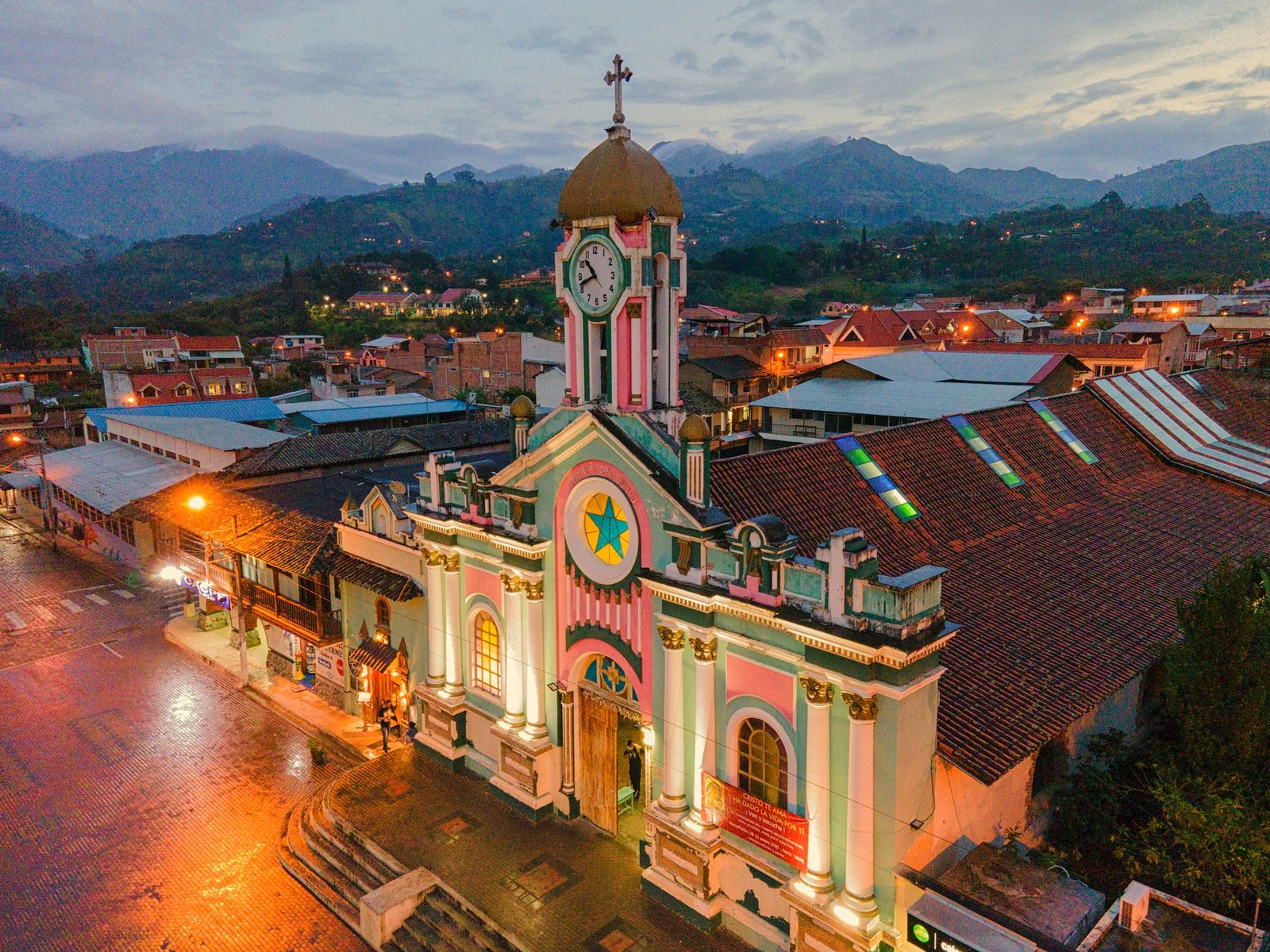
One of the best-preserved colonial capitals in Latin America — a UNESCO World Heritage city of ornate churches, cobblestone plazas, and Andean mountain views.
Galápagos Wildlife
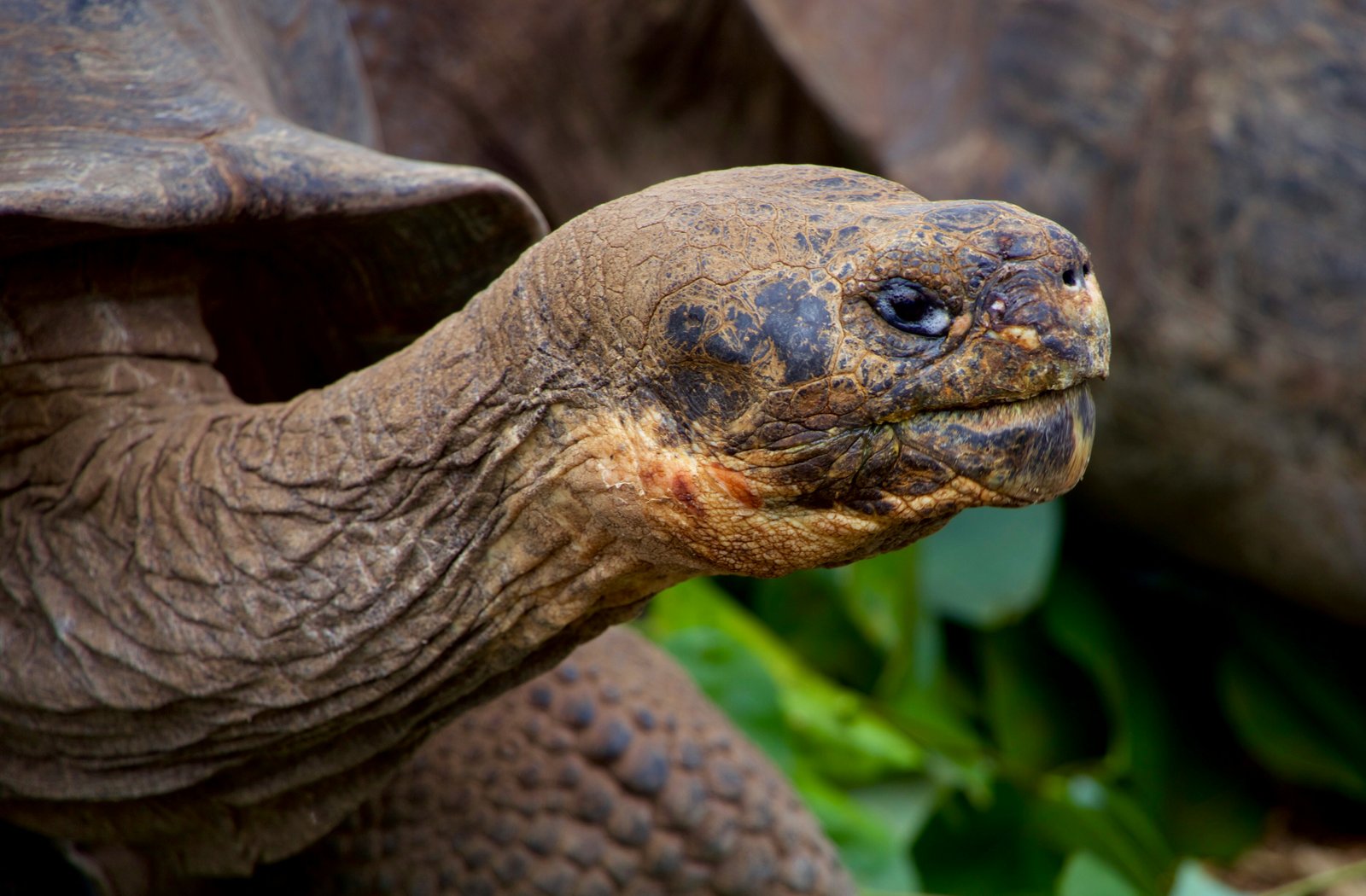
An ecosystem unlike any other on Earth. Wildlife shows almost no fear of humans, offering encounters with giant tortoises, marine iguanas, sea lions, and blue-footed boobies.
Indigenous Markets
Otavalo’s Saturday market is one of the most authentic and vibrant indigenous markets in all of South America — still deeply local after centuries of tradition.
Easy Travel
Ecuador uses the U.S. dollar, requires no visa for most American travelers, and is small enough to move between regions without major logistical planning.
Amazon Access
Short flights from Quito drop you into some of the most biodiverse Amazon rainforest in South America, with excellent lodge and river expedition options.
Top Experiences
PLAN AROUND EXPERIENCES, NOT JUST REGIONS
Galápagos Islands
The experience of a lifetime — expedition cruises or land-based stays on Santa Cruz or San Cristóbal. Nowhere else on Earth do wild animals coexist so fearlessly alongside humans.
Quito Old Town
A UNESCO-listed colonial center filled with some of the most ornate churches in the Americas — including La Compañía de Jesús, widely considered the most beautiful church in Ecuador.
Otavalo Market
One of South America’s most famous indigenous markets. The Saturday market is an extraordinary mix of handwoven textiles, crafts, and produce — authentic and deeply alive.
Avenue of the Volcanoes
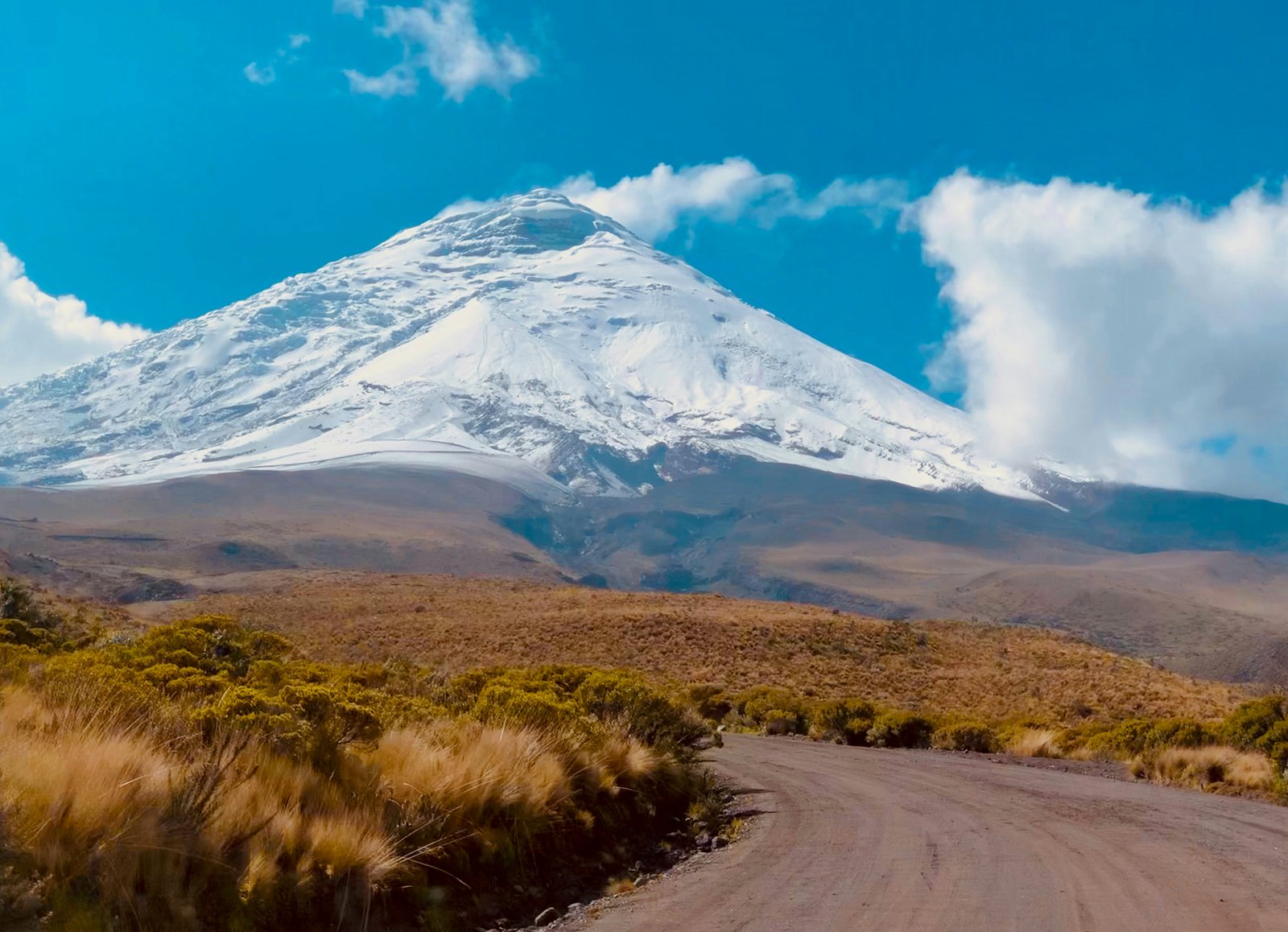
A dramatic corridor of snow-capped peaks including Cotopaxi and Chimborazo — ideal for hiking, horseback riding, and stays in historic highland haciendas.
Amazon River Expeditions
Fly from Quito to Coca and head into the jungle by river. The Napo River corridor offers canoe excursions, birdwatching, community visits, and extraordinary biodiversity.
Cuenca & the South
Ecuador’s most beautiful city — cobblestone streets, riverfront views, Panama hat workshops, and the nearby Inca ruins at Ingapirca.
Whale Watching
The Pacific coast near Salinas and Machalilla National Park is one of the world’s best spots for humpback whale watching, June through September.
Isla de la Plata
Often called the “poor man’s Galápagos” — excellent wildlife viewing including boobies, frigatebirds, and sea turtles, without the cost or logistics of the real thing.
Timing
WHEN TO VISIT ECUADOR
Andean Highlands
June to September is the driest period in the Andes and the best window for volcano trekking and outdoor activities. December to February is also relatively dry.
Galápagos
December to May brings warmer water and calmer seas — ideal for snorkeling. June to November is cooler with stronger currents, excellent for marine life and seabirds.
Amazon
Accessible year-round. June to September tends to be slightly drier, with rivers lower and wildlife more concentrated along banks. The rest of the year is lush and rewarding.
Pacific Coast
December to April is sunny and warm along the coast. June to September is cooler but prime season for humpback whale watching near Salinas and Puerto López.
Travel Essentials
FACTS & PRACTICAL DETAILS
Key Areas
FOUR WORLDS TO EXPLORE
Ecuador’s four distinct regions each offer a completely different travel experience — and the country is compact enough that combining two or three on a single trip is entirely realistic.
Andean Highlands
Quito is the anchor — a UNESCO World Heritage colonial capital set at 9,350 feet, with ornate churches, dramatic mountain views, and easy access north and south. North of Quito: Otavalo’s legendary Saturday market, and the craft towns of Cotacachi and San Antonio de Ibarra. The Avenue of the Volcanoes runs south through Cotopaxi and Chimborazo. Cuenca, Ecuador’s most beautiful city, sits at the southern end with Panama hat workshops and the Inca ruins at Ingapirca nearby.
Galápagos Islands
Located about 600 miles off the coast, the Galápagos are one of the most extraordinary wildlife destinations on Earth — the place that inspired Darwin’s theory of evolution. Wildlife shows little fear of humans. Species found nowhere else on Earth include marine iguanas, giant tortoises, blue-footed boobies, and Galápagos penguins. Small expedition cruises offer the best experience; land-based stays on Santa Cruz or San Cristóbal are a lower-cost alternative.
Amazon Basin
Nearly half of Ecuador is Amazon rainforest — remote, biodiverse, and surprisingly accessible via short flights from Quito to Coca. From there, river transport leads to lodges along the Napo River. Experiences include guided rainforest hikes, canoe excursions, birdwatching (over 400 species), and visits to indigenous Kichwa communities. The Cuyabeno Wildlife Reserve and Yasuní National Park are the flagship destinations.
Pacific Coast
Guayaquil is Ecuador’s largest city and a gateway to the coast — much improved in recent decades, with a lively waterfront (Malecón 2000) and the historic Las Peñas neighborhood. South of the city: Salinas for beaches, surfing, and fishing. North: Puerto López and Machalilla National Park, where Isla de la Plata offers Galápagos-style wildlife without the full trip, and the Pacific waters deliver world-class humpback whale watching from June to September.
Parks & Wildlife
PROTECTED LANDS & NATURAL WONDERS
Ecuador protects an extraordinary share of its territory — from high volcanic peaks and cloud forests to Amazon rainforest and the unique marine environments of the Galápagos. For its size, it is one of the most biodiverse countries on Earth.
Galápagos National Park
A UNESCO World Heritage Site and one of the world’s most important conservation areas. Strict visitor controls protect an ecosystem found nowhere else, with species that evolved in near-total isolation.
Yasuní National Park
One of the most biodiverse places on Earth — a vast Amazon reserve protecting thousands of plant, bird, mammal, and reptile species, including several indigenous groups living in voluntary isolation.
Cuyabeno Wildlife Reserve
A flooded Amazon rainforest reserve in the far northeast, known for exceptional wildlife viewing including pink river dolphins, giant otters, caimans, anacondas, and monkeys.
Cotopaxi National Park
One of the world’s highest active volcanoes, reaching nearly 19,400 feet. The park offers hiking, cycling, horseback riding, and the dramatic high-altitude páramo landscape.
Machalilla National Park
Ecuador’s only coastal national park, protecting dry tropical forest, beaches, and marine habitat. Isla de la Plata, within the park, offers outstanding wildlife without Galápagos prices.
El Cajas National Park
A high-altitude moorland near Cuenca, with over 200 lakes, cloud forest, and exceptional birdwatching — including the Andean condor. A striking and often overlooked destination.
Traveler Questions
ECUADOR TRAVEL FAQ
How much does a Galápagos trip cost?
The Galápagos is a significant investment. A classic 8-day naturalist cruise aboard a quality mid-range vessel runs approximately $3,000–$5,000 per person, not including flights from the mainland. Premium and expedition vessels are considerably more. Land-based tours using day boats from Santa Cruz or San Cristóbal are cheaper ($1,500–$2,500 all-in) but cover less ground and deliver a less immersive experience. The National Park entrance fee ($200 since 2024) applies to all visitors. For those who can manage it, the cruise experience is extraordinary and worth every dollar.
Is altitude sickness a concern in Ecuador?
Yes. Quito sits at approximately 2,800 meters (9,200 ft) and Cuenca at about 2,550 meters (8,370 ft). Most visitors to Quito feel some effects — mild headache, breathlessness on stairs — for the first day or two. Serious altitude sickness is less common than in Bolivia or Peru’s highest regions, but it is real. Arrive a day before any strenuous activities, stay hydrated, and ascend gradually if heading higher into the Avenue of the Volcanoes. The Galápagos, being at sea level, involves no altitude concerns.
Do U.S. citizens need a visa for Ecuador?
No. U.S. citizens can enter Ecuador visa-free for tourist stays of up to 90 days. Ecuador also uses the U.S. dollar as its official currency, making it exceptionally straightforward for American travelers — no currency exchange, no fluctuation risk. A valid passport is required and a return or onward ticket may be requested.
What is the best time to visit Ecuador?
Ecuador’s highland regions (Quito, the Avenue of the Volcanoes) are generally best from June through September — drier and clearer. The coast is most popular from December through April when warm temperatures and surf conditions peak. The Galápagos is a year-round destination; the warm wet season (January–June) brings calmer seas and better snorkeling, while the cooler dry season (July–December) offers better diving visibility and active penguins and marine iguanas. No time is bad — the wildlife is always extraordinary.
Happy Gringo
Award-winning Ecuador and Galápagos travel specialists offering customized journeys throughout the Galápagos Islands, Amazon rainforest, Andes, cloud forests, and colonial cities. Their local team helps travelers navigate Ecuador's remarkable diversity with personalized planning and insider knowledge.
Best for: Independent travelers and families looking for expert Ecuador and Galápagos trip planning without sacrificing flexibility or personal attention.
LOCAL SPECIALISTS WE TRUST
Ecuador packs extraordinary variety into a small geography. The Galápagos demands specialist operators — the experience differs dramatically by vessel, guide, and itinerary. The Amazon and Andes are equally specialist territory.
Custom & Nationwide
Barefoot Expeditions
Local Ecuador-based travel specialist creating custom journeys throughout the country's remarkable diversity, from the Andes and Galápagos Islands to the Amazon rainforest, and indigenous cultural regions. Itineraries emphasize authentic local experiences, knowledgeable guides, and flexible adventures tailored to each traveler's interests.
Best for: Visitors who want a more personal, flexible, locally guided experience with the freedom to explore Ecuador beyond standard group tours and prepackaged itineraries.
Happy Gringo
Award-winning Ecuador and Galápagos travel specialists offering customized journeys throughout the Galápagos Islands, Amazon rainforest, Andes, cloud forests, and colonial cities. Their local team helps travelers navigate Ecuador's remarkable diversity with personalized planning and insider knowledge.
Best for: Independent travelers and families looking for expert Ecuador and Galápagos trip planning without sacrificing flexibility or personal attention.
Galápagos Specialists
Ecoventura
One of the Galápagos Islands’ most respected expedition cruise operators. Small luxury ships with expert naturalist guides, comprehensive island itineraries, and a long-standing conservation commitment.
Best for: Travelers who want the Galápagos done properly — small ships, serious guides, and access to islands the large vessels can’t reach.
Quasar Expeditions
Luxury Galápagos yacht charters and expedition cruises with an emphasis on exclusivity and wildlife photography. Also operates in Patagonia. Premium vessels with outstanding naturalist naturalists.
Best for: Luxury travelers and photographers who want a private or small-group Galápagos experience on a premium vessel.
Galápagos Islands Travel
Quito-based Galápagos specialists with strong connections to a wide range of vessels and budgets — from land-based island-hopping to luxury yacht charters. Good for matching travelers to the right option.
Best for: Travelers who want expert guidance choosing between the many Galápagos cruise options across different price points.
Amazon & Cloud Forest
Cuyabeno Lodge
Lodge is built from ecological materials and sits on the Cuyabeno Lake within the Cuyabeno Wildlife Reserve. Explore the lake and jungle in motorized canoes, enjoying swimming and spectacular sunsets. Wildlife includes Amazon dolphins, squirrel monkeys, capuchin monkeys and tamarin monkeys, as well as a variety of bird species like toucans, macaws and parrots in the Ecuadorian Amazon.
Best for: Birders and serious wildlife travelers — Ecuador’s Andes and Amazon are among the world’s premier birding destinations.
Latin Travel does not book tours directly. These are editorial selections. Please mention Latin Travel when you contact them — it helps us keep this guide current.