Latin America’s great cities are more than collections of historic buildings and famous landmarks. They are places where indigenous traditions, colonial history, music, food, art, and modern life continue to blend together in ways that feel alive and authentic. From mountain capitals and Caribbean ports to colorful colonial towns and energetic modern cities, these destinations reveal the cultural heartbeat of the region.
Walk through centuries-old plazas beneath cathedral bells in Cusco or Quito. Explore rooftop cafés and hidden courtyards in Cartagena. Wander the art districts and food markets of Oaxaca and Mexico City. Listen to live salsa drifting through the streets of Old San Juan, or discover the layered history of Santo Domingo — the oldest continuously inhabited European-founded city in the Americas.
The beauty of cultural travel in Latin America is that history is never confined to museums. It lives in the food, music, architecture, markets, festivals, and daily rhythm of the streets themselves. Whether you are interested in ancient civilizations, colonial architecture, contemporary art, local festivals, or simply wandering beautiful streets after sunset, Latin America offers some of the richest cultural experiences anywhere in the world.
At a Glance
QUICK GUIDE
| City | Country | Best For | Atmosphere | Best Season |
|---|---|---|---|---|
| Cartagena | Colombia | Caribbean history, food & nightlife | Tropical & colorful | December – April |
| Oaxaca & Mexico City | Mexico | Food, markets, indigenous culture | Rich & multifaceted | October – April |
| Antigua | Guatemala | Colonial architecture, volcanoes | Quiet & photogenic | November – April |
| Cusco | Peru | Inca history, Andean culture | Ancient & Andean | May – September |
| Quito | Ecuador | UNESCO center, mountain scenery | High-altitude & dramatic | June – September |
| Old San Juan | Puerto Rico | Caribbean color, accessibility | Vibrant & walkable | December – April |
| Santo Domingo | Dominican Republic | Oldest colonial city in the Americas | Historic & lively | December – March |
| Buenos Aires | Argentina | Tango, cuisine, European flair | Sophisticated & passionate | March – May, Sept – Nov |
Destination 01 · Colombia
CARTAGENA
The Caribbean’s Most Atmospheric Colonial City
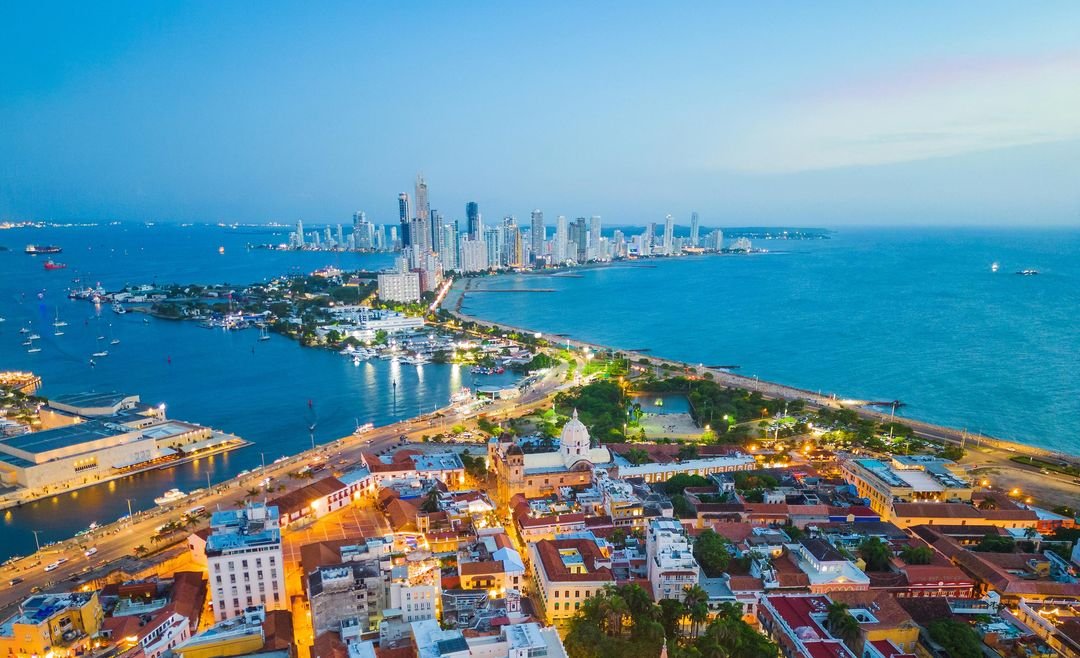
Cartagena is one of Latin America’s most atmospheric and visually striking cities. Behind its centuries-old stone walls, travelers find colorful colonial balconies draped in flowers, lively plazas filled with music, rooftop restaurants overlooking the Caribbean, and narrow streets that seem designed for wandering without a plan.
Founded in the 1500s as one of Spain’s most important Caribbean ports, Cartagena played a central role in colonial trade and pirate history. Today, the city blends historic elegance with tropical energy. During the day, visitors explore churches, museums, fortresses, and hidden cafés. At night, the city transforms with live music, open-air dining, and a warm Caribbean nightlife scene. Cartagena also serves as a gateway to nearby islands, beaches, and coastal adventures, making it one of the easiest places in Latin America to combine culture, history, and relaxation in a single trip.
Operators for this city
Destination 02 · Mexico
OAXACA & MEXICO CITY
The Cultural Soul of Mexico — Ancient, Colonial, and Contemporary
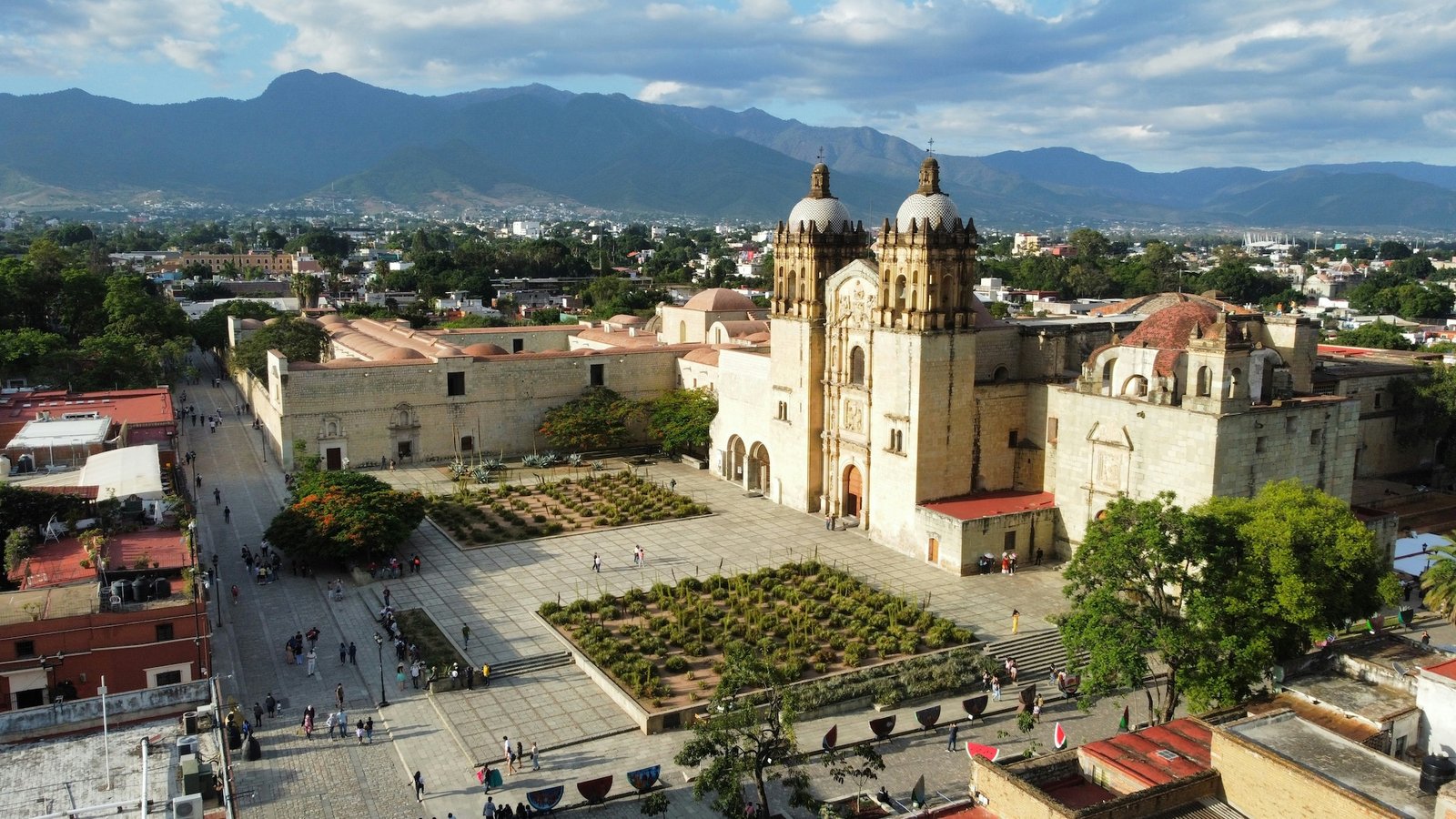
Mexico offers one of the deepest cultural experiences in the Americas, combining indigenous traditions, colonial history, world-renowned cuisine, and contemporary creativity. Few countries reward curious travelers quite as generously.
Oaxaca is often considered the cultural soul of Mexico. The city is famous for its vibrant markets, traditional handicrafts, mezcal culture, colorful festivals, and some of the finest regional cuisine anywhere in Latin America. Beyond the city, nearby villages preserve centuries-old weaving, pottery, and artisan traditions that continue to shape daily life. Mexico City offers a completely different but equally fascinating experience. One of the largest cities in the world, it combines Aztec history, colonial architecture, modern art, sophisticated neighborhoods, world-class museums, and an extraordinary culinary scene. Visitors can explore ancient ruins in the morning, landmark museums in the afternoon, and some of the best restaurants in the hemisphere by evening.
Operators for this city
Destination 03 · Guatemala
ANTIGUA
Central America’s Crown Jewel of Colonial Architecture
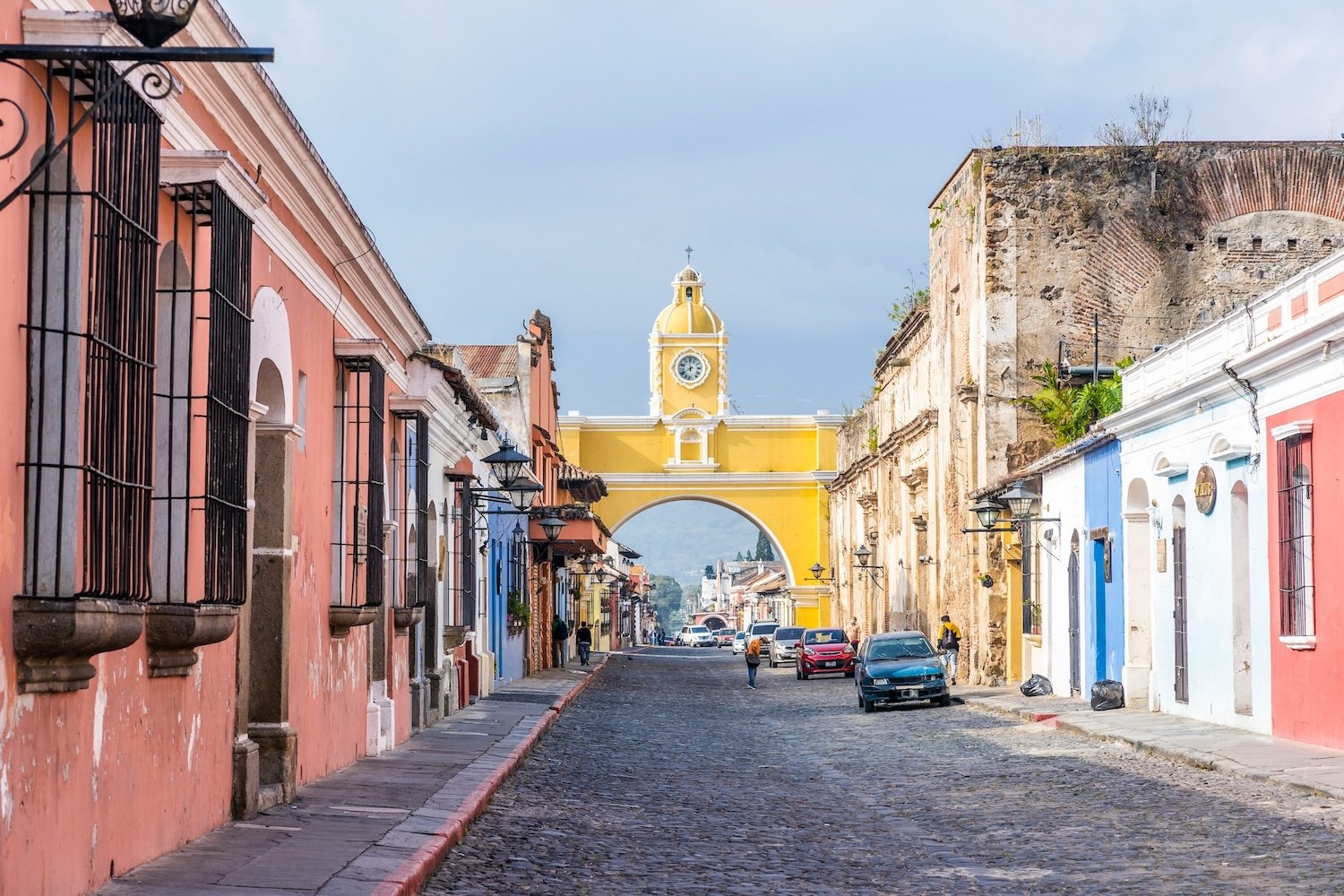
Set beneath towering volcanoes in the Guatemalan highlands, Antigua remains one of Central America’s most beautiful and historically important colonial cities. Cobblestone streets, restored churches, colorful facades, and mountain views give the city an atmosphere that feels timeless. Originally established as the capital of Spanish Central America, Antigua was partially destroyed by earthquakes in the 1700s but later restored into one of the region’s great architectural treasures.
Today, the city attracts travelers seeking culture, language immersion, photography, cuisine, and easy access to Guatemala’s indigenous highland communities. Antigua also serves as a base for volcano hikes, coffee farm visits, and excursions to nearby Lake Atitlán, making it one of the best destinations in the region for combining cultural travel with outdoor adventure.
Operators for this city
Destination 04 · Peru
CUSCO
The Ancient Inca Capital and Gateway to Machu Picchu
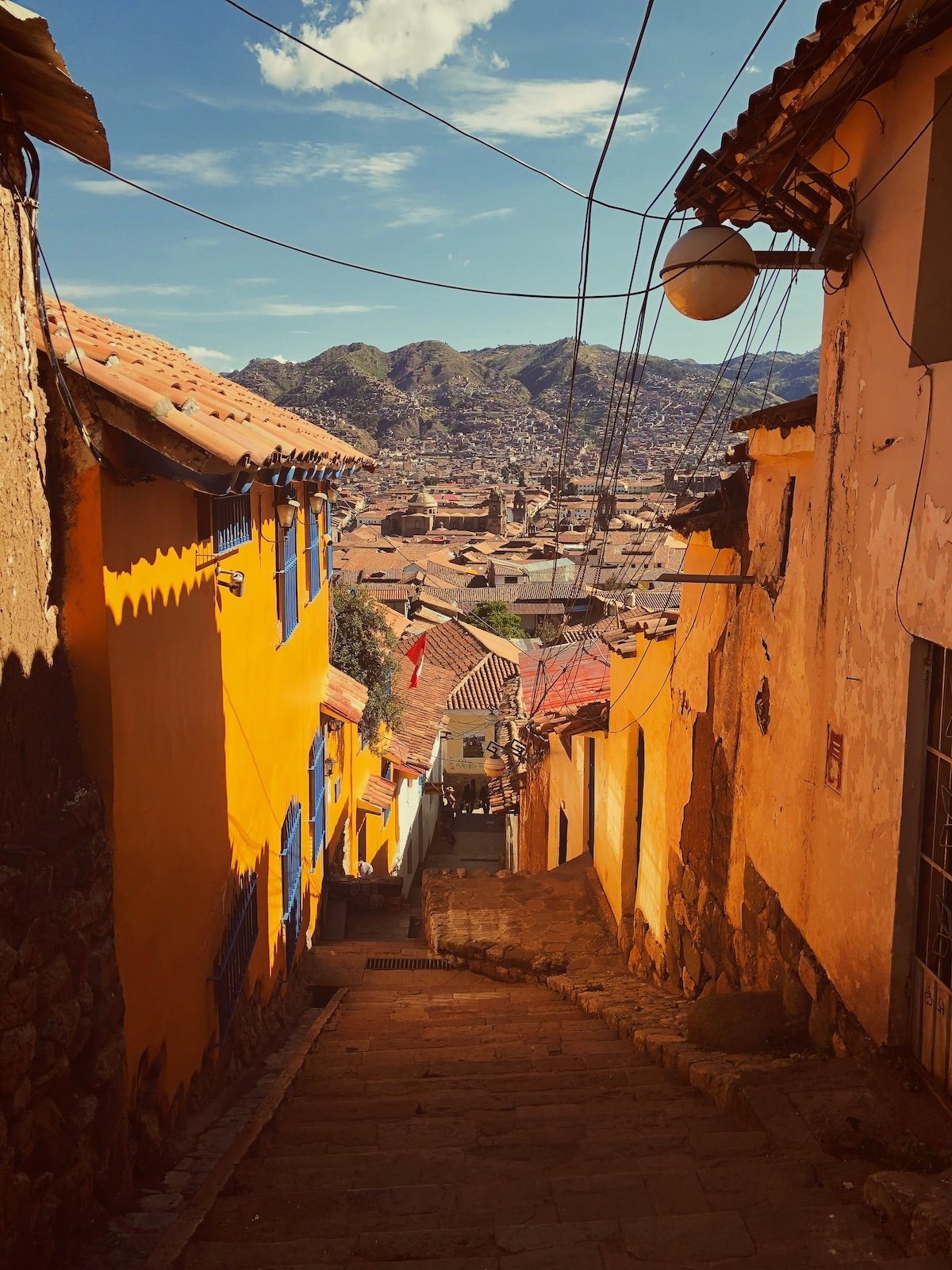
Few cities in Latin America blend ancient history and living culture as seamlessly as Cusco. Once the capital of the Inca Empire, the city sits high in the Andes surrounded by dramatic mountain landscapes and centuries of layered history. Massive Inca stone foundations still support Spanish colonial buildings throughout the city, creating one of the most visually unique urban landscapes in the Americas.
Visitors explore lively plazas, traditional markets, museums, churches, and narrow stone streets while experiencing a culture deeply connected to its Andean roots. Cusco also serves as the gateway to the Sacred Valley and Machu Picchu, but the city itself deserves time and attention beyond simply passing through. Its combination of history, architecture, indigenous traditions, and mountain atmosphere makes it one of South America’s most rewarding cultural destinations.
Operators for this city
Destination 05 · Ecuador
QUITO
One of the World’s First UNESCO World Heritage Cities
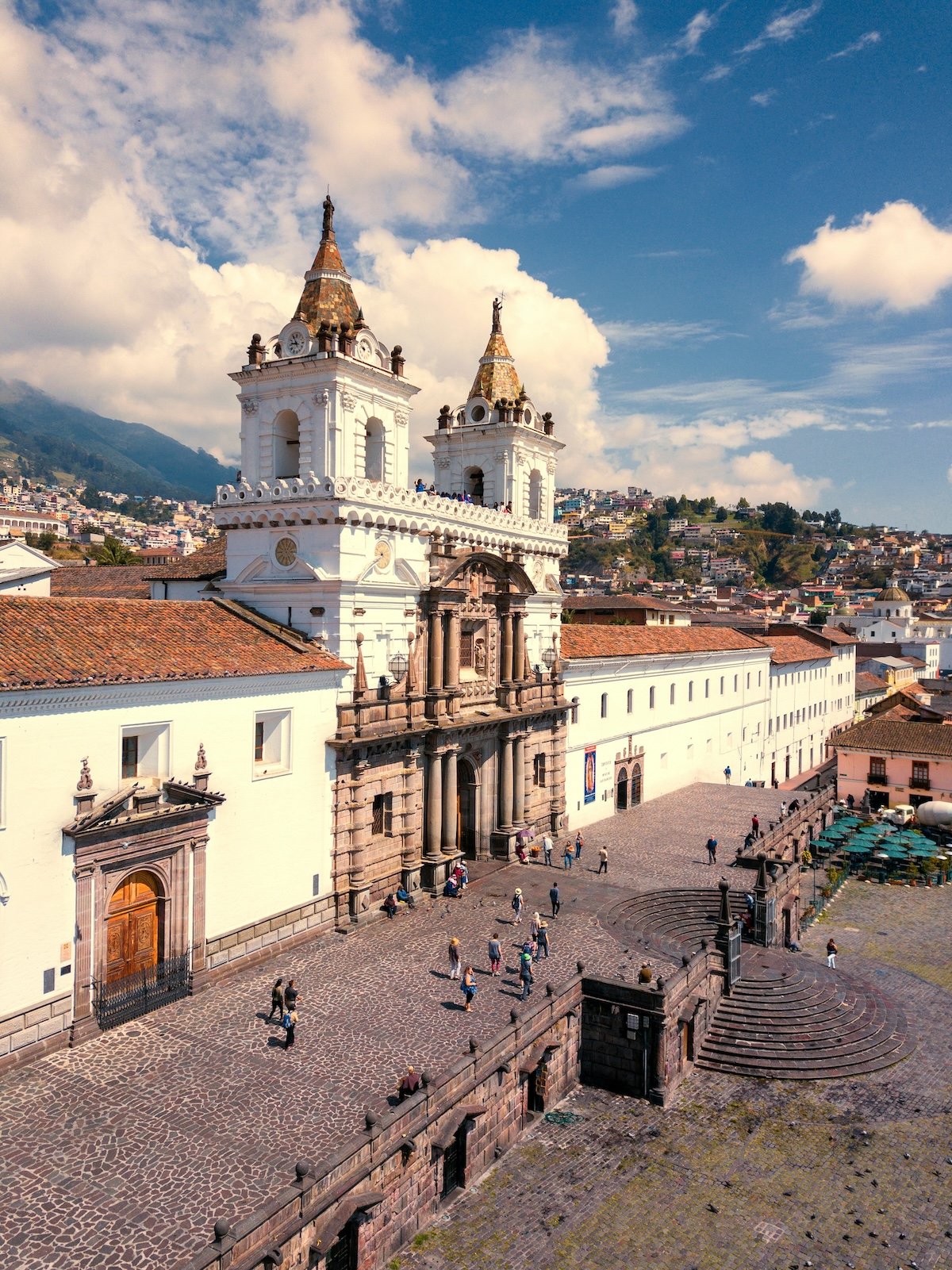
Perched high in the Andes at nearly 9,400 feet, Quito combines dramatic mountain scenery with one of the best-preserved historic centers in Latin America. The city’s colonial churches, monasteries, plazas, and narrow streets helped earn Quito recognition as one of the world’s first UNESCO World Heritage Sites. Beyond the historic center, Quito offers a fascinating blend of old and new Ecuador — modern neighborhoods filled with restaurants, cafés, and nightlife contrasting with centuries-old architecture and nearby indigenous markets.
The city’s location also makes it an excellent gateway for exploring Ecuador’s extraordinary diversity, from the Amazon rainforest and Andean volcanoes to cloud forests and the Galápagos Islands. A particular highlight is the nearby Otavalo Market, which has operated for over 500 years and remains globally renowned for its high-quality Andean textiles, hand-woven ponchos, alpaca sweaters, and intricate tapestries.
Operators for this city
Destination 06 · Puerto Rico
OLD SAN JUAN
Caribbean Color, Colonial History & Island Accessibility
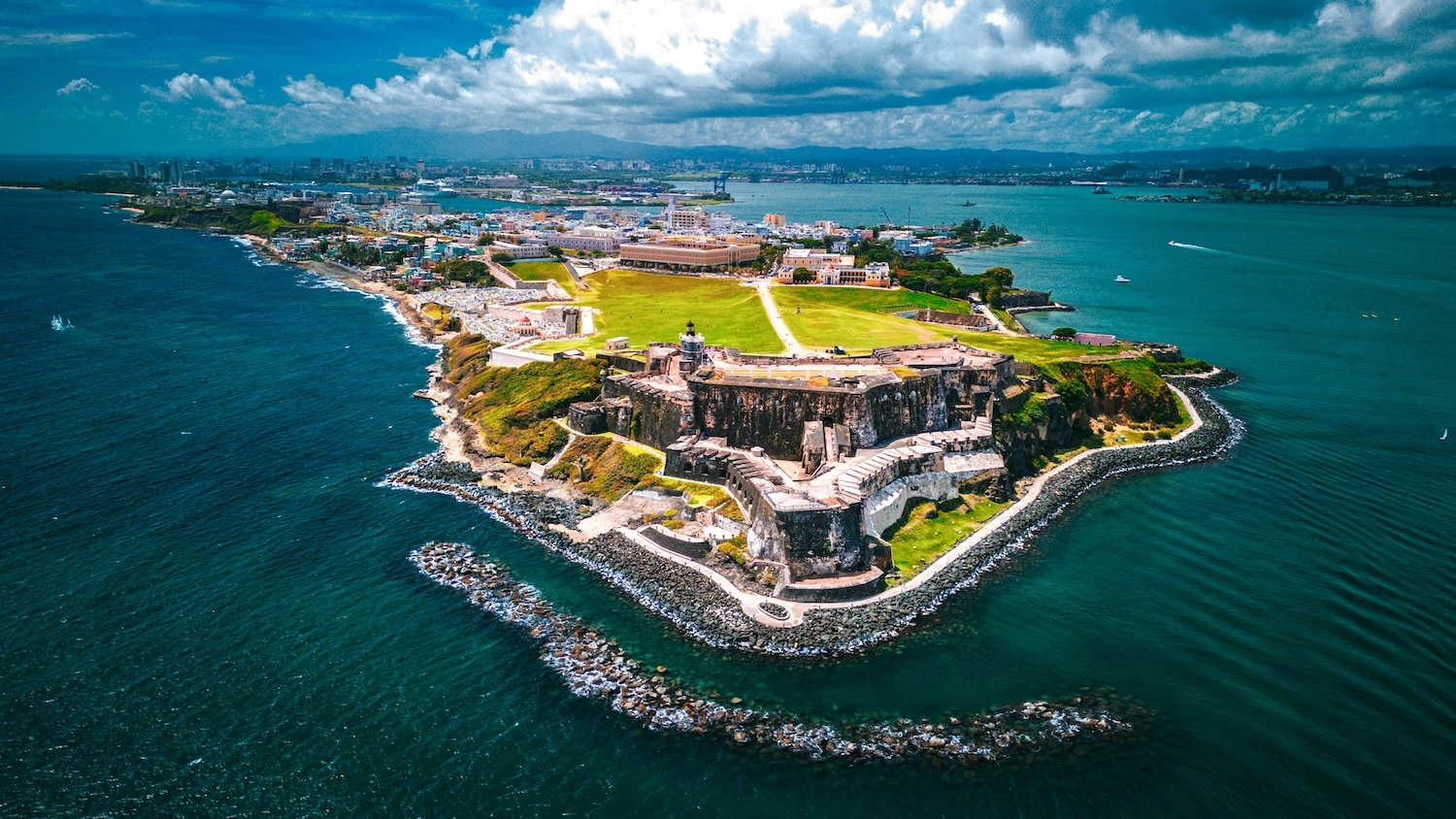
Old San Juan blends Caribbean color, colonial history, oceanfront scenery, and vibrant street life into one of the most enjoyable city experiences in the region. Brightly painted buildings, blue cobblestone streets, Spanish fortresses, and open-air plazas create an atmosphere that feels both historic and distinctly Caribbean. Visitors can spend days exploring historic forts, local restaurants, music venues, and waterfront promenades while enjoying the convenience and accessibility of a U.S. territory.
The city’s compact size makes it easy to explore on foot, especially in the evenings when music and nightlife spill into the streets. Puerto Rico also offers an ideal combination of cultural travel and tropical escape, with beaches, rainforests, surfing, and mountain regions all easily accessible from San Juan — making it one of the most versatile destinations in the Caribbean.
Operators for this city
Destination 07 · Dominican Republic
SANTO DOMINGO
The Oldest European-Founded City in the Americas
Founded in 1498, Santo Domingo is the oldest continuously inhabited European-founded city in the Americas and one of the Caribbean’s most historically significant destinations. Its Colonial Zone features centuries-old cathedrals, plazas, museums, and stone streets that reflect the earliest years of European settlement in the New World. The Zona Colonial is a UNESCO World Heritage Site and represents a remarkable concentration of historic firsts — the first cathedral, the first hospital, the first university in the Western Hemisphere.
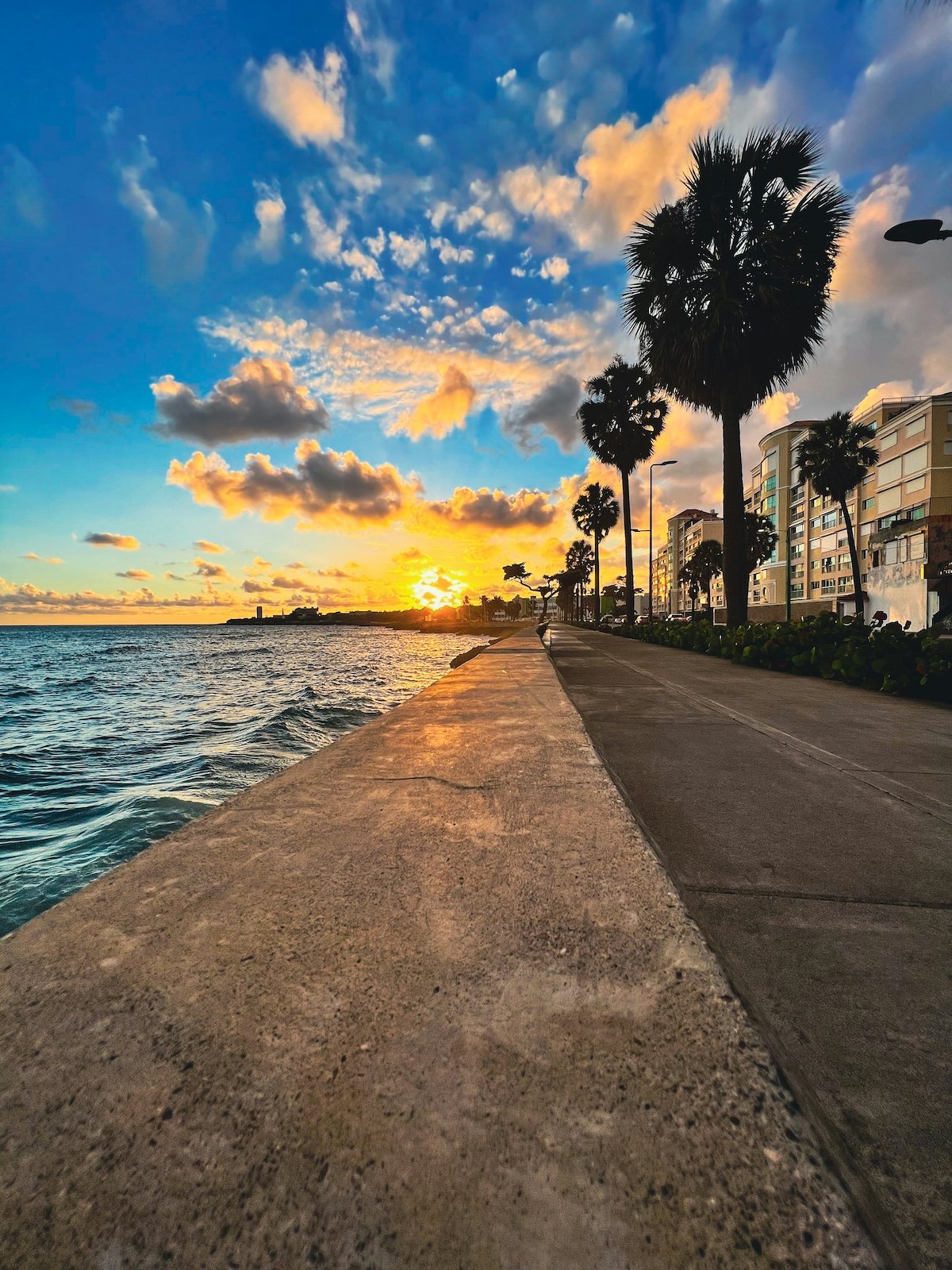
But Santo Domingo is far more than a historic city. It is also a modern Caribbean capital filled with music, nightlife, local food culture, and an energetic urban atmosphere. Merengue and bachata rhythms flow through restaurants and clubs, while oceanfront promenades and lively neighborhoods give the city a dynamic feel both day and night. For travelers interested in combining Caribbean warmth with deep historical significance, Santo Domingo offers one of the most unique cultural experiences in the region.
Operators for this city
Destination 08 · Argentina
BUENOS AIRES
Tango, European Grandeur & Unmistakable Latin Energy
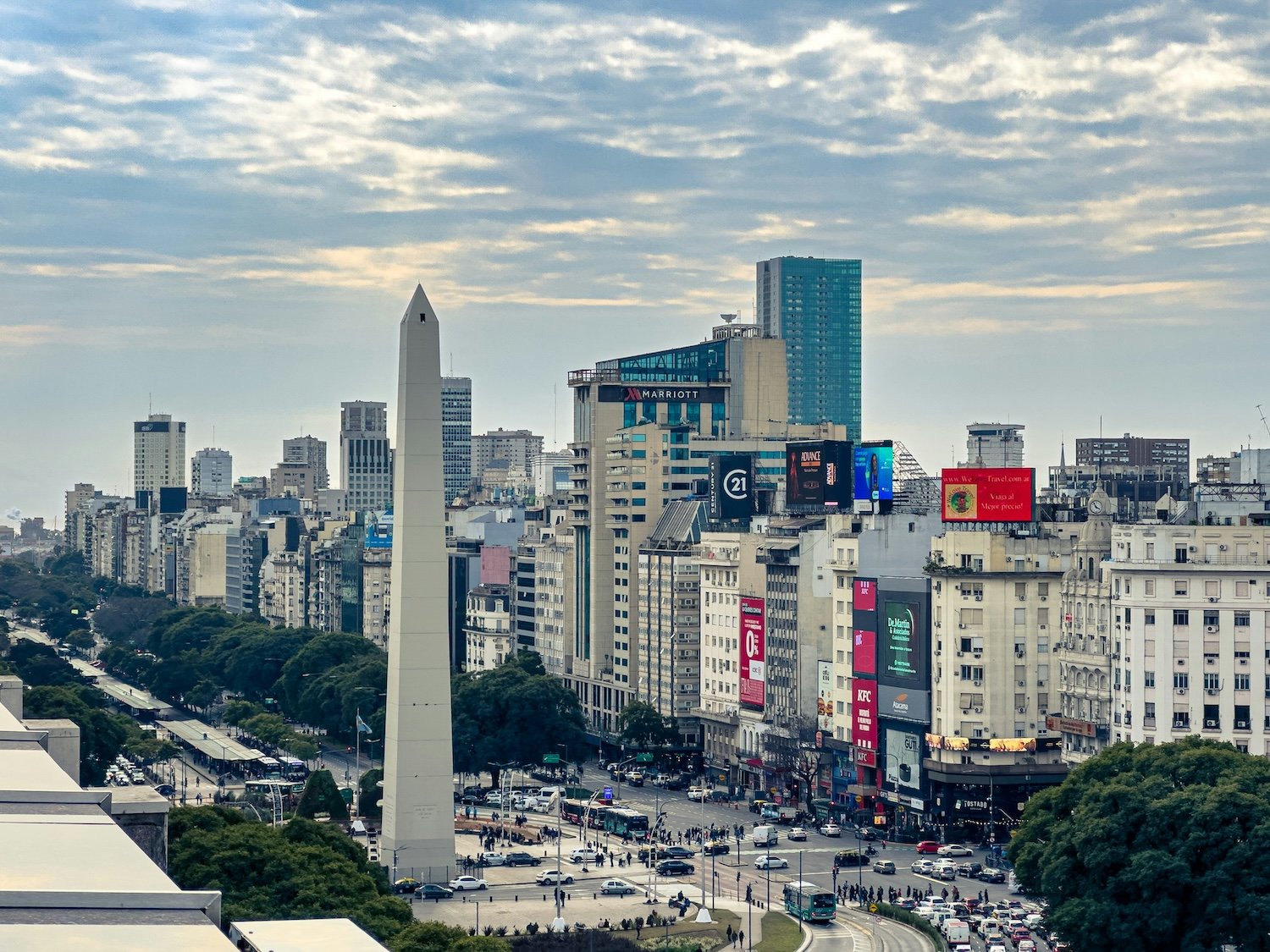
Buenos Aires combines European elegance with unmistakable Latin passion and energy. Grand boulevards, historic cafés, tango clubs, bookstores, art galleries, and late-night dining culture give the city an atmosphere unlike anywhere else in Latin America. Neighborhoods such as San Telmo, Palermo, and Recoleta each offer distinct personalities — from colonial streets and antique markets to modern cafés, parks, and nightlife.
Visitors can spend afternoons in museums and historic cafés before enjoying world-class steak dinners and live tango performances that continue well past midnight. Beyond its architecture and culture, Buenos Aires is a city built around conversation, food, music, and public life. The result is one of the world’s great urban experiences and one of South America’s most rewarding cultural capitals.
Operators for this city
CHOOSING YOUR CITY EXPERIENCE
Latin America’s great cities reward different kinds of travelers. The best destination is the one that matches what you’re actually looking for.
Choose Caribbean & Coast for
- Tropical atmosphere combined with history
- Colorful streets and oceanfront promenades
- Music, nightlife, and open-air dining
- Easy beach and cultural combinations
- Cartagena, Old San Juan, Santo Domingo
Choose Highland & Ancient for
- Inca and indigenous cultural depth
- Mountain scenery and dramatic landscapes
- UNESCO colonial centers at elevation
- Connections to trekking and archaeological sites
- Cusco, Quito, Antigua
Choose Cosmopolitan for
- World-class food and restaurant scenes
- Museums, galleries, and contemporary culture
- European-influenced architecture and nightlife
- Urban energy and neighborhood exploration
- Buenos Aires, Mexico City, Oaxaca
Final Thought
HISTORY THAT STILL BREATHES
What distinguishes Latin America’s cultural cities from those elsewhere in the world is not simply age or architectural beauty. It is the fact that history here has never been sealed behind glass. The Inca stonework in Cusco still forms the foundations of inhabited buildings. The colonial plazas of Cartagena still fill with music each evening. The markets of Oaxaca still operate exactly as they have for centuries. In Latin America, the past is not a destination — it is part of the present.
The most memorable thing about these cities is rarely the landmark you sought out. It’s the conversation that found you in a plaza, the dish you discovered in a side-street market, or the music that drifted out of a doorway long after dark.
Plan Your Cultural Journey
READY TO EXPLORE?
Jim and Jane have spent decades walking these streets. Tell us which city calls to you and we’ll connect you with the right itineraries, local contacts, and insider advice to make the most of your time.
Ask Jim & Jane